How We Make Vessel’s Top Shelf IVs 

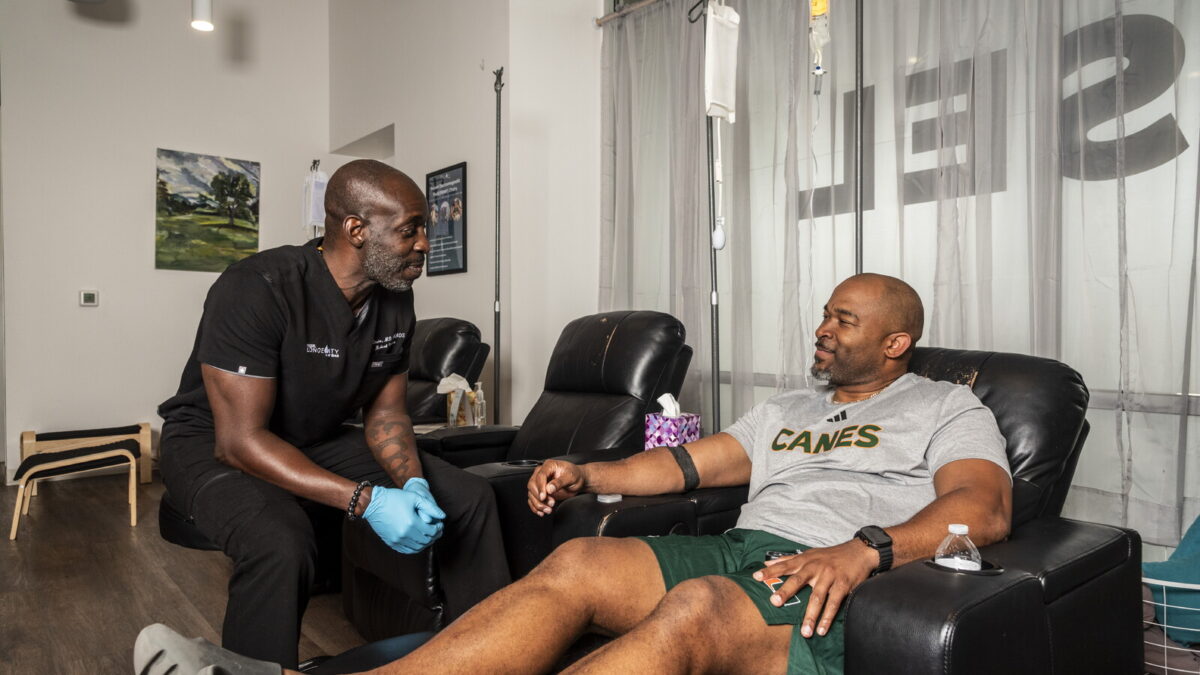
IV therapy has become a popular wellness option for people looking to support hydration, energy, recovery, immune function, metabolism, skin health, and overall vitality. But not all IV experiences are created the same.

Peptide Therapy for Men Over 40: What to Know in 2026

Peptide therapy is attracting growing interest among men over 40 who want to support recovery, body composition, performance, metabolic health, and healthy aging. But “peptide therapy” is a broad term, and the regulatory landscape changed significantly in 2026. Not every peptide marketed for wellness is FDA-approved, well-studied, or appropriate for compounding.

When Should You Stop GLP-1 Medication?

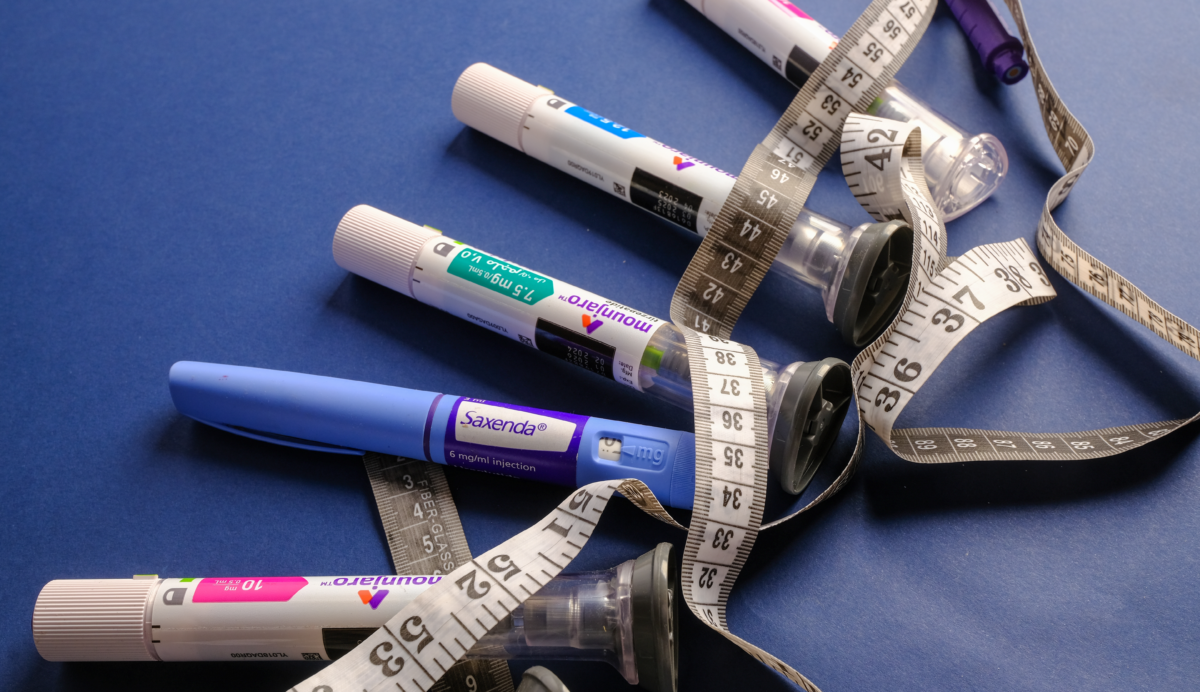
There is no universal point when everyone should stop a GLP-1 medication. Reaching your goal weight does not automatically mean treatment should end. The decision should be based on your health, treatment response, side effects, long-term goals, and a plan developed with your medical provider.

Why Is It Harder to Lose Weight After 40?

If losing weight feels harder in your 40s or 50s, you may be noticing real changes in metabolism, muscle mass, hormones, sleep, activity, and body composition. The strategy that worked in your 20s or 30s may simply need to change with you.

Does IV Therapy Help With Joint Pain?

A painful knee can change the way you walk. A stiff hip may affect your lower back. An aching shoulder can disrupt sleep, exercise, work, and even simple daily tasks. When movement starts feeling harder, it is natural to look for options that may help you feel and recover better.

Knee Pain Location Guide: What Your Knee Pain May Be Telling You

Knee pain is not always easy to describe.

Some people feel pain in the front of the knee. Others feel it on the inside, outside, behind the knee, above the kneecap, or below it. Sometimes the pain is sharp. Sometimes it feels like pressure, stiffness, swelling, instability, or a deep ache that gets worse with movement.

Where your knee hurts can offer important clues.

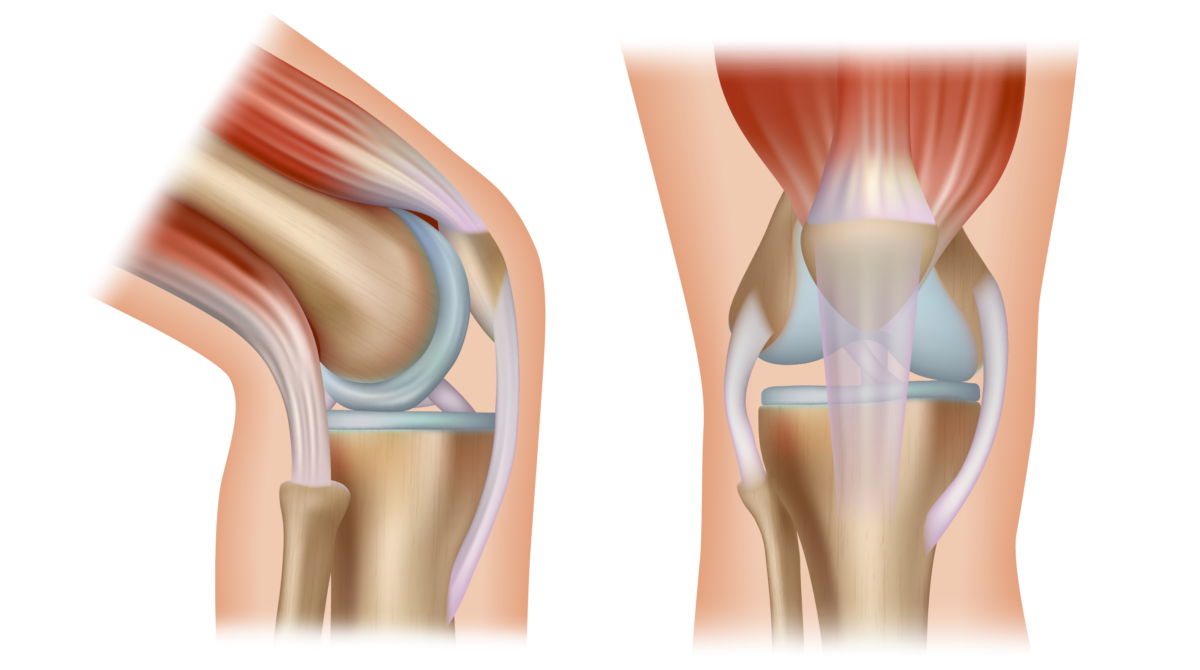
A knee pain location guide is not a diagnosis, but it can help you better understand what structures may be involved and why a deeper evaluation may be helpful. At Vessel Longevity, we look at knee pain through a whole-body lens because pain is rarely just about one isolated spot. It may involve inflammation, joint mechanics, cartilage, tendons, ligaments, muscle strength, recovery, body composition, or the body’s ability to repair tissue over time.

The goal is not simply to quiet pain.

The goal is to understand what your knee is trying to tell you.

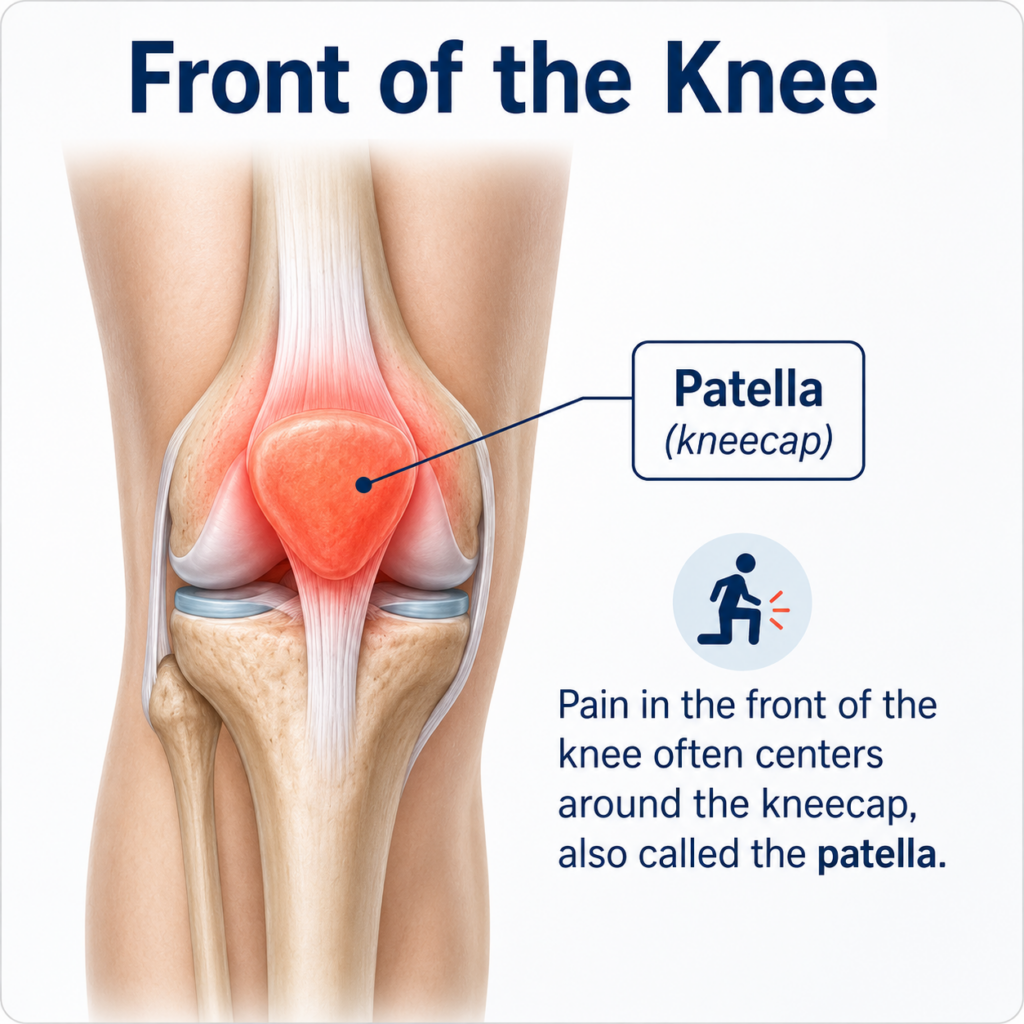
Front of the Knee

Pain in the front of the knee often centers around the kneecap, also called the patella. This area may become irritated with stairs, squats, lunges, running, sitting for long periods, or getting up from a chair.

Front knee pain may be connected to kneecap tracking, tendon irritation, cartilage changes, muscle imbalance, or patellofemoral pain. Some people describe it as pressure behind the kneecap, while others feel a sharp or aching sensation during bending movements.

This type of pain can be especially frustrating because it may come and go depending on activity level. It may feel manageable one week and then flare after travel, workouts, stairs, or prolonged sitting.

A physician-led evaluation can help determine whether the issue is related to joint alignment, tendon stress, cartilage health, strength imbalance, or inflammation.

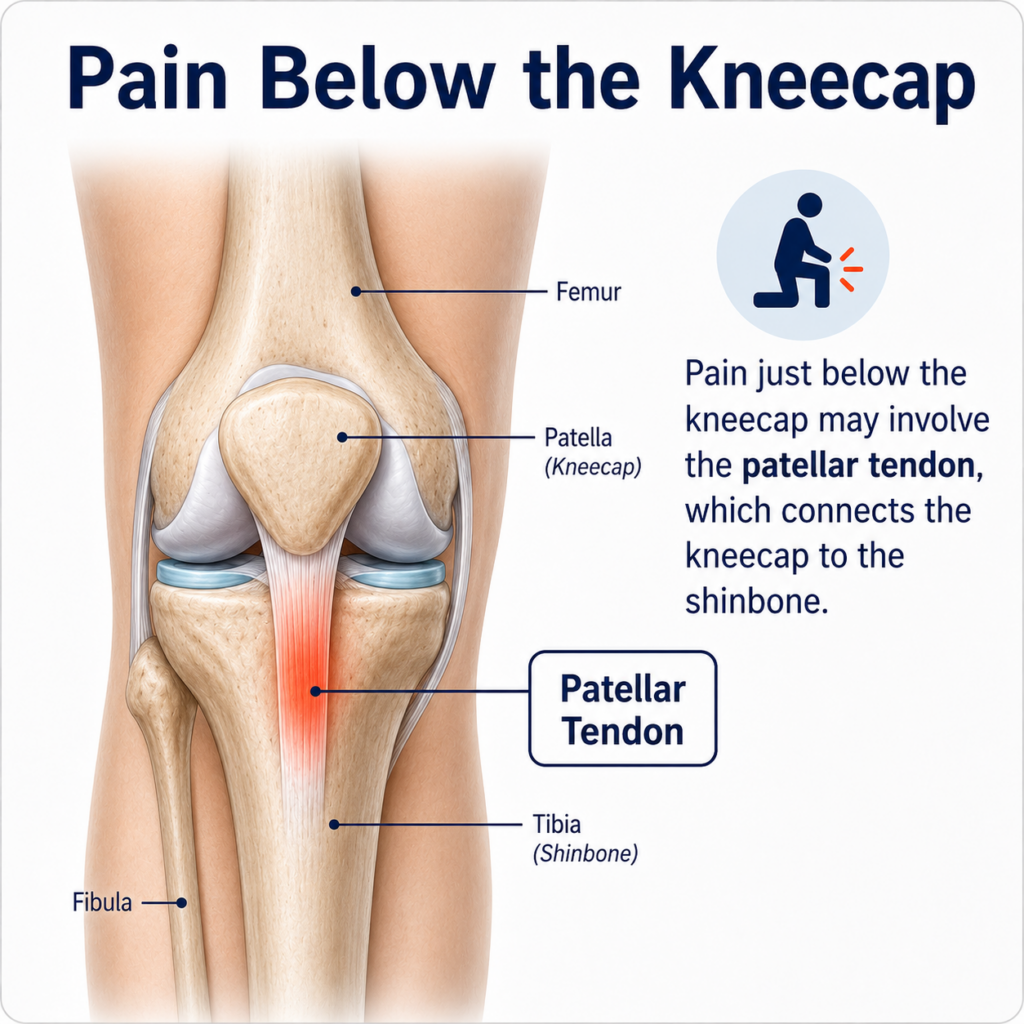
Pain Below the Kneecap

Pain just below the kneecap may involve the patellar tendon, which connects the kneecap to the shinbone. This area is often irritated by jumping, running, climbing stairs, squatting, or repeated high-impact movement.

Some people call this “jumper’s knee,” but it can affect more than athletes. It may show up in anyone who places repeated stress on the knee or increases activity too quickly.

Below-the-kneecap pain may also be influenced by tightness, weakness, poor recovery, or mechanics in the hips, ankles, and feet.

If this pain keeps returning, it may be a sign that the tendon is not recovering well or that the joint is being loaded in a way that needs attention.

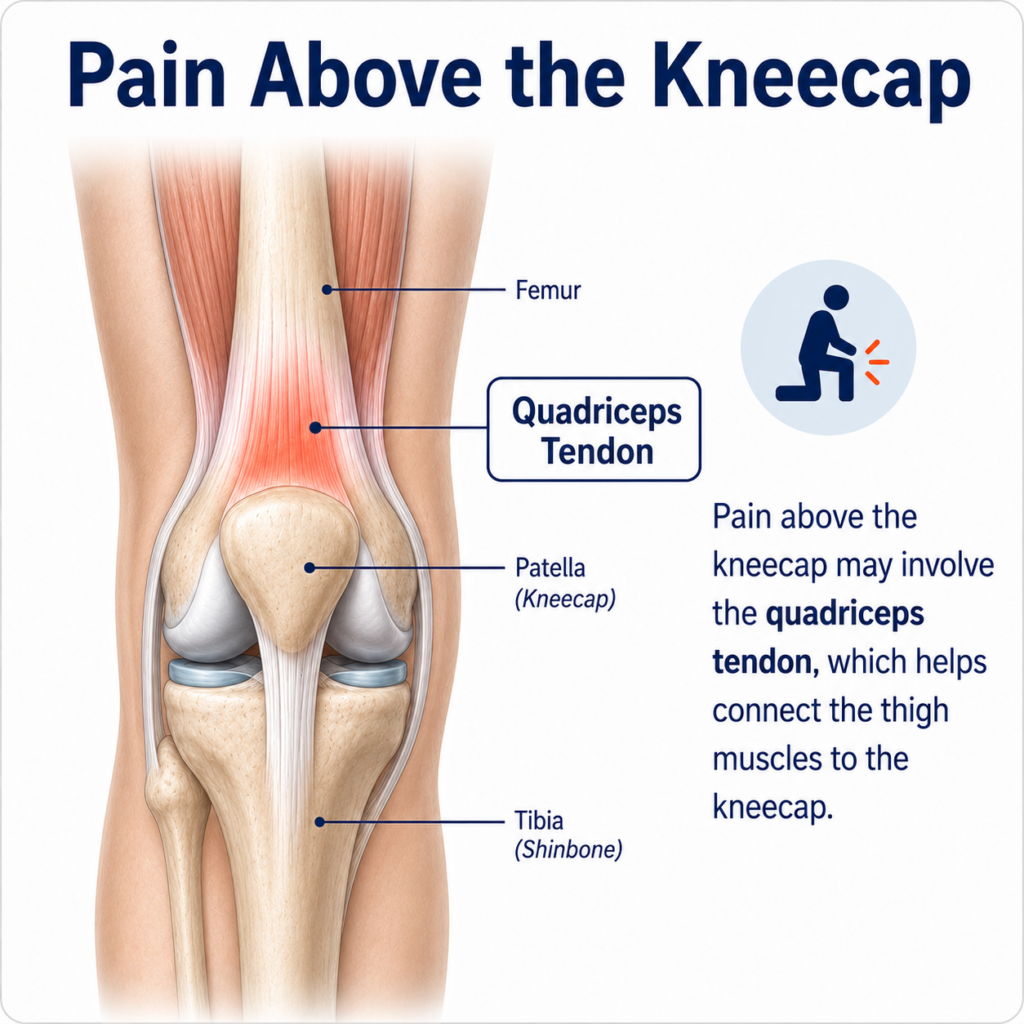
Pain Above the Kneecap

Pain above the kneecap may involve the quadriceps tendon, which helps connect the thigh muscles to the kneecap. This area can become irritated with repetitive bending, squatting, climbing, or strength training.

Because the quadriceps play a major role in stabilizing the knee, pain in this region may point to overload, weakness, tendon irritation, or recovery challenges.

A complete approach may look at muscle strength, movement patterns, inflammation, and the body’s ability to repair tissue after stress.

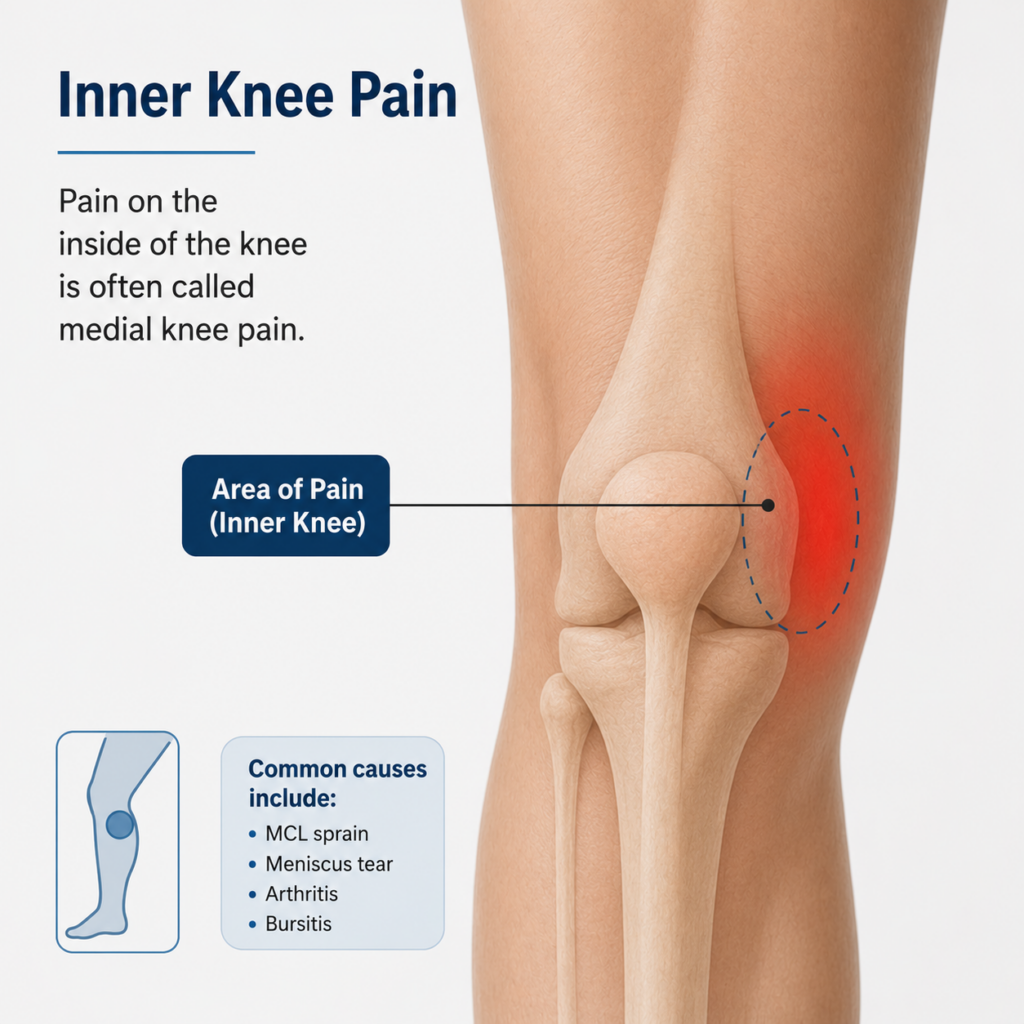
Inner Knee Pain

Pain on the inside of the knee is often called medial knee pain.

This area may involve the medial meniscus, the medial collateral ligament, joint cartilage, bursae, or arthritis-related changes. Inner knee pain can be triggered by twisting, pivoting, walking on uneven ground, squatting, or prolonged standing.

Some people feel tenderness along the joint line. Others notice swelling, stiffness, catching, or discomfort with side-to-side movement.

Inner knee pain may also be influenced by foot mechanics, hip strength, body composition, or the way the knee tracks during movement.

Because this area can involve several important structures, persistent inner knee pain should not be ignored.

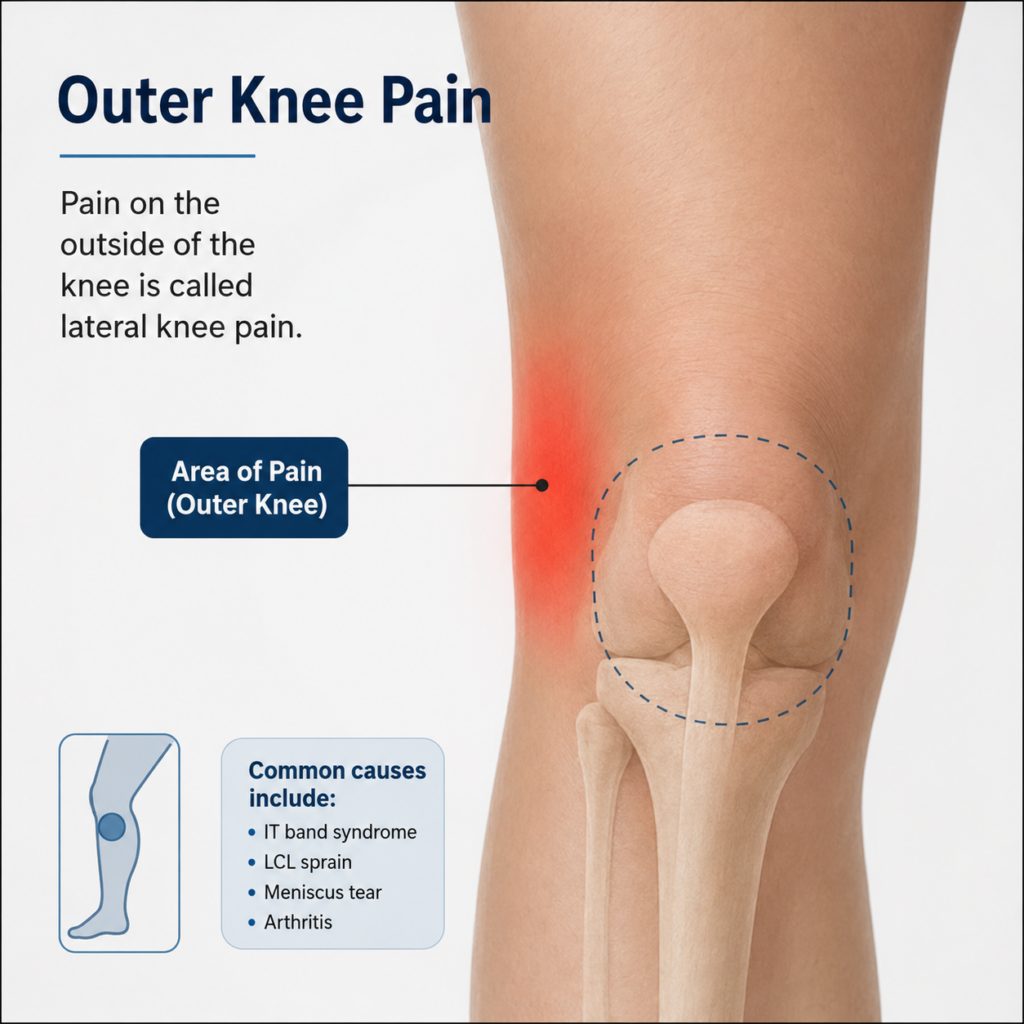
Outer Knee Pain

Pain on the outside of the knee is called lateral knee pain.

This may be connected to the iliotibial band, lateral meniscus, lateral collateral ligament, cartilage, tendon irritation, or movement mechanics. It is common in runners, cyclists, active adults, and people who increase their training volume quickly.

Outer knee pain may feel sharp during activity or tight and achy afterward. Some people feel it more when going downhill, climbing stairs, or standing after sitting.

The outside of the knee can also become irritated when the hip, glute, or ankle is not supporting movement well. This is why knee pain often requires looking beyond the knee itself.

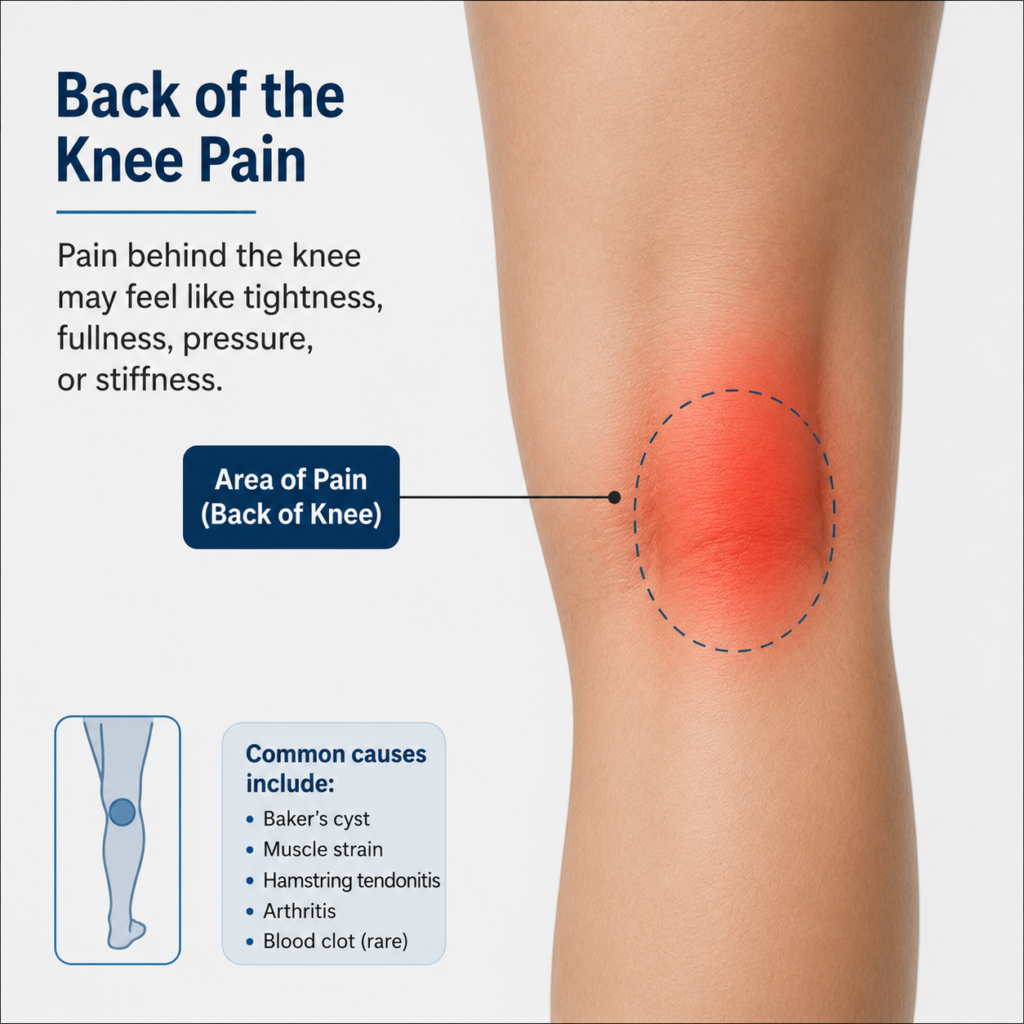
Back of the Knee Pain

Pain behind the knee may feel like tightness, fullness, pressure, or stiffness. It may be related to a Baker’s cyst, hamstring strain, calf strain, posterior knee irritation, swelling, meniscus issues, or referred pain from another area.

Back-of-knee discomfort may become more noticeable when bending the knee fully, walking, squatting, or after long periods of activity.

Because swelling or pain behind the knee can have different causes, it is important to seek medical evaluation if symptoms are persistent, worsening, or accompanied by swelling, redness, warmth, or calf pain.

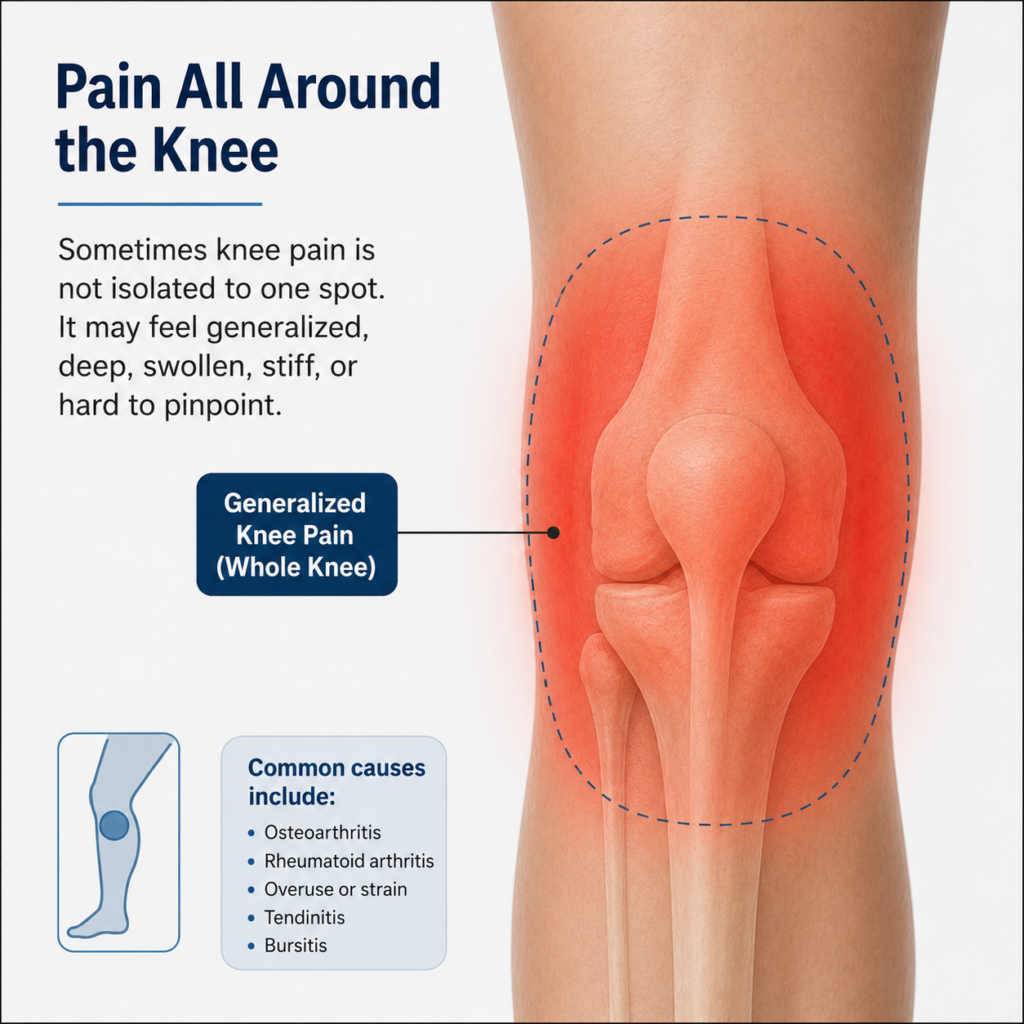
Pain All Around the Knee

Sometimes knee pain is not isolated to one spot. It may feel generalized, deep, swollen, stiff, or hard to pinpoint.

This type of pain may be connected to inflammation, arthritis, overuse, joint degeneration, metabolic health, autoimmune factors, prior injury, or changes in cartilage and tissue health.

When pain feels widespread, it is especially important to look at the bigger picture.

How is your recovery?
How is your inflammation?
How is your body composition?
How is your strength?
How is your sleep?
How is your metabolic health?
Has your movement changed because of pain?

The knee is local, but healing is systemic.

When to Seek a Deeper Evaluation

Pain location can give you clues, but it cannot confirm a diagnosis by itself.

You should consider medical evaluation if knee pain lasts more than a few weeks, keeps returning, limits movement, causes swelling, affects walking, makes stairs difficult, creates instability, or prevents you from exercising or doing daily activities.

You should seek prompt medical attention if pain follows a traumatic injury, you cannot bear weight, the knee looks deformed, swelling is severe, you develop fever, or you notice redness, warmth, or significant calf pain.

A Longevity Approach to Knee Pain

At Vessel Longevity, we believe knee pain should be approached with curiosity and precision.

Instead of only asking, “Where does it hurt?” we also ask:

Why is this area under stress?
Is inflammation part of the picture?
Is tissue repair compromised?
Are strength, mobility, hormones, or recovery playing a role?

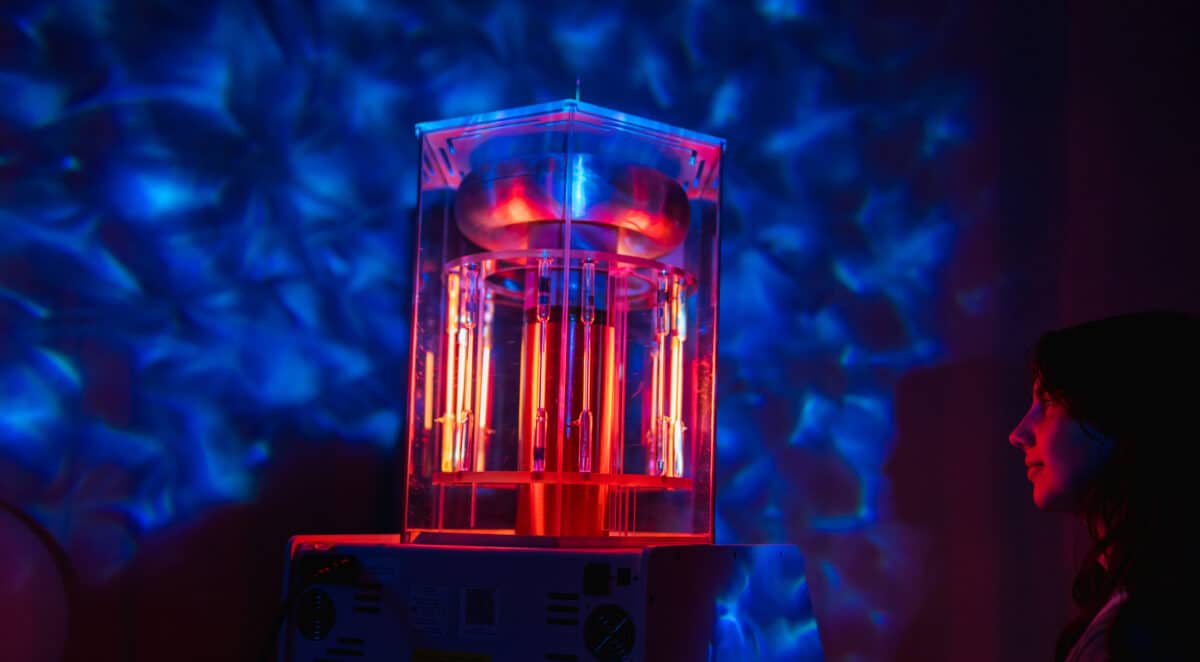
Depending on your needs, your personalized plan may include therapies available at Vessel such as regenerative medicine, shockwave therapy, peptide therapy, PEMF therapy, BioCharger sessions, IV nutrient support, hormone optimization, or body composition and metabolic health support.

For some patients, the goal may be reducing irritation. For others, it may be preserving mobility, supporting tissue repair, improving recovery, or returning to the activities they love.

Because longevity is not just about living longer.

It is about moving well, recovering well, and protecting your function for the years ahead.

If knee pain is affecting your movement, confidence, or quality of life, our physician-led team can help you take a deeper look.

Schedule a consultation with Vessel Longevity in Cedar Park or Lakeway.

Cedar Park: 512-337-7722
Lakeway: 512-489-7997

The Science of Movement: Why Moving Well Matters for Longevity

Movement is one of the most powerful signals you can send to the body.

It affects strength, metabolism, circulation, balance, joint health, mood, recovery, and long-term function. Yet many people think movement only “counts” if it looks like a formal workout.

That is one of the biggest misconceptions in wellness.

Exercise matters. Strength training matters. Cardio matters. But movement is much broader than exercise. Movement includes the everyday ways your body bends, reaches, walks, carries, balances, stretches, stabilizes, and responds to the world around you.

At Vessel Longevity, we believe movement is not just about burning calories or checking off a workout. It is about preserving function, protecting independence, and supporting a body that can keep doing the things you love for years to come.

Movement vs. Exercise: What Is the Difference?

Physical activity is any movement of the body that uses energy. That can include walking, gardening, taking the stairs, playing with your kids, carrying groceries, cleaning the house, dancing, stretching, cycling, or doing recreational activities.

Exercise is a more structured form of movement. It is usually planned, repetitive, and designed to improve or maintain fitness.

Both matter.

A strength training session is exercise.
A walk after dinner is movement.
A mobility routine is movement.
Taking the stairs is movement.
Lifting weights is exercise.
Playing pickleball is both movement and exercise.
Getting up from your desk every hour is movement.

The goal is not to turn every moment into a workout. The goal is to understand that the body was designed to move often, in different ways, and through different ranges of motion.

Why Movement Matters for Longevity

Longevity is not only about living longer. It is about maintaining the ability to move, recover, balance, lift, walk, travel, play, and participate in life.

A body that moves well has more options.

Movement supports muscle mass, which is important for metabolism, glucose regulation, balance, and healthy aging. It supports joints by encouraging circulation, mobility, and tissue nourishment. It supports the cardiovascular system by improving endurance and circulation. It supports the nervous system by helping the body regulate stress, coordination, and balance.

Movement also gives important feedback.

If you are stiff, unstable, weak, easily fatigued, or avoiding certain activities because of pain, your body may be telling you something. Those signals are worth paying attention to before they become bigger limitations.

Different Types of Movement

A complete movement plan is not one-dimensional. Different types of movement support different parts of health.

1. Walking and Daily Movement

Walking is one of the most accessible forms of movement. It supports circulation, joint motion, cardiovascular health, blood sugar regulation, and mental clarity.

Daily movement also includes the ordinary things people often overlook: standing up from a chair, walking through the grocery store, taking the stairs, doing light chores, or moving between tasks.

These small moments matter because the body responds to consistency.

2. Strength Training

Strength training helps preserve muscle, support metabolism, protect joints, and maintain independence.

This can include weights, resistance bands, bodyweight exercises, machines, or functional movements like squats, carries, pushes, and pulls.

Strength is not only for athletes. It is one of the foundations of healthy aging.

3. Mobility and Flexibility

Mobility is the ability to move joints through their range of motion with control. Flexibility is the ability of muscles and tissues to lengthen.

Both help the body move more comfortably.

Mobility work may include hip openers, shoulder movement, spinal rotation, ankle mobility, dynamic stretching, or controlled range-of-motion exercises.

This matters because stiffness can change how the body moves and may lead to compensation elsewhere.

4. Balance and Stability

Balance is often overlooked until it becomes a problem.

Stability training helps the body maintain control during movement. It may include single-leg work, core training, controlled stepping patterns, balance drills, or exercises that challenge coordination.

Balance and stability are especially important for fall prevention, joint protection, and confidence with movement as we age.

5. Cardiovascular Movement

Cardiovascular movement supports the heart, lungs, circulation, endurance, and metabolic health.

This can include walking faster, cycling, swimming, rowing, hiking, dancing, or interval-style training depending on the person’s fitness level and goals.

Cardio does not have to be punishing to be beneficial. The right intensity depends on the individual.

6. Recovery-Based Movement

Not every movement session needs to be intense.

Gentle movement can support recovery, nervous system regulation, circulation, and reduced stiffness. This may include walking, stretching, yoga, breath-based movement, light mobility work, or low-impact activity.

Recovery-based movement can be especially helpful for people who are stressed, sore, inflamed, or returning after time away from exercise.

What Counts as Movement?

More than most people think.

Movement does not have to make you sweat to count. It does not have to happen in a gym. It does not have to be 60 minutes long. It does not have to be perfect.

Movement can be:

A 10-minute walk
Stretching between meetings
Taking the stairs
A strength session
Playing with your children or grandchildren
Gardening
Swimming
Dancing
Walking the dog
Mobility work
Carrying groceries
Standing and moving during the workday

The body benefits from both structured exercise and frequent daily movement.

This is important because many people dismiss small movements as “not enough.” But from a longevity perspective, the goal is to build a life where movement is woven into the day, not reserved only for formal workouts.

What Counts as Exercise?

Exercise is usually more intentional.

It is movement with a purpose: improving strength, endurance, mobility, balance, body composition, performance, or cardiovascular fitness.

That may include lifting weights, doing Pilates, taking a fitness class, cycling, running, swimming, doing intervals, or following a structured mobility or conditioning plan.

Exercise is valuable because it creates a specific stimulus for adaptation. The body responds by becoming stronger, more efficient, more resilient, and better prepared for future demands.

But exercise should not replace movement.

A person can work out for one hour and still sit for most of the day. A longevity-focused approach looks at both: structured exercise and overall movement patterns.

Movement Should Be Personalized

Not every body needs the same movement plan.

A person with knee pain may need a different strategy than someone training for performance. Someone recovering from injury may need more mobility and tissue support before intensity. Someone with fatigue or hormone changes may need a plan that balances strength, recovery, and metabolic support.

At Vessel Longevity, we look at movement as part of the bigger picture.

Pain, fatigue, inflammation, body composition, hormones, sleep, recovery, nutrition, and cellular health can all affect how a person moves and adapts.

The right movement plan should support the whole person.

Move Better. Age Better.

Movement is one of the most important tools for longevity because it protects function.

It helps preserve the ability to lift, walk, climb, balance, recover, and participate fully in life.

The goal is not simply to exercise harder.

The goal is to move with purpose, consistency, strength, and confidence.

If pain, fatigue, stiffness, weight changes, or slower recovery are affecting your ability to move well, it may be time to take a deeper look.

At Vessel Longevity, our physician-led team helps patients explore personalized options to support mobility, recovery, metabolic health, and long-term function.

Because longevity is not just about adding years to life.

It is about protecting the movement, strength, and confidence that make those years worth living.

Schedule a consultation with Vessel Longevity in Cedar Park or Lakeway.

Cedar Park: 512-337-7722
Lakeway: 512-489-7997

When Was the Last Time You Checked In on Your Healthspan?

Most people wait until something feels wrong before they check in on their health.

They wait for fatigue to become exhaustion.
They wait for weight changes to feel frustrating.
They wait for poor sleep, slower recovery, joint discomfort, or hormonal changes to interrupt daily life.

But longevity medicine asks a better question:

What if we could understand the body earlier?

At Vessel Longevity, we believe health care should be proactive, personalized, and focused on helping you preserve strength, mobility, energy, recovery, and quality of life over time.

That is where a longevity check-in can be so valuable.

What Is a Longevity Check-In?

A longevity check-in is a personalized health evaluation designed to help you understand how your body is functioning now, not just whether you are sick.

It looks at the bigger picture of how you feel, move, recover, sleep, age, and perform.

Instead of only asking, “What symptom brought you in?” a longevity check-in may explore questions like:

How is your energy?
How is your sleep?
How is your metabolism?
How are your hormones?
How well are you recovering?
How is your body composition changing?
Are inflammation, nutrient status, or cellular health affecting how you feel?

The goal is not to chase every trend or treatment.

The goal is to gather the right information, understand your priorities, and build a plan that is appropriate for your body.

Why Healthspan Matters

Longevity is often misunderstood as simply living longer.

Your lifespan encompasses all the years that you live. If you live to be 80, your lifespan is 80 years long. 

Life expectancy is calculated based on factors like mortality rates and average lifespan of a population. Currently, the life expectancy for men in the U.S. is 75, and for women, it’s 80. 

Healthspan takes the idea of lifespan and adds a twist. It’s the number of years you spend in good health, without any of the chronic conditions or disabilities that are often part of aging. 

That means longevity is not only about the future. It is about the way you feel today. 

Your energy matters.
Your movement matters.
Your sleep matters.
Your recovery matters.
Your hormones, metabolism, muscle mass, and inflammation all matter.

A longevity check-in helps you stop guessing and start looking at your health with more clarity.

Why Data Is Important

Many people know something feels off, but they do not always know why.

They may be eating better, exercising, taking supplements, or trying to improve their sleep, but still feel stuck.

That is where data can help.

Depending on your needs, a longevity check-in may include a review of labs, body composition, symptoms, lifestyle patterns, health history, and personal goals.

This can help identify patterns connected to:

Energy and fatigue
Weight and metabolism
Hormone balance
Recovery and inflammation
Cellular health
Nutrient status
Sleep and performance
Mobility and joint health

Data alone is not care. But the right data, interpreted through physician-led guidance, can help create a more personalized plan.

Personalized Care Matters

No two people age the same way.

One person may need support with hormone optimization. Another may benefit from medical weight loss, IV nutrient therapy, NAD+ or Niagen support, peptide therapy, regenerative treatments, body composition tracking, or a recovery-focused plan.

For someone else, the first step may simply be understanding what their labs are showing and creating a realistic strategy.

At Vessel Longevity, we believe the right care starts with the right conversation.

Your plan should reflect your data, your goals, your physiology, and your stage of life.

A More Proactive Way to Care for Your Body

A longevity check-in is not about waiting until your health becomes harder to manage.

It is about paying attention earlier.

It is about asking better questions, identifying meaningful patterns, and creating a plan that supports long-term wellness from the inside out.

If you have been feeling tired, struggling with weight changes, noticing slower recovery, dealing with inflammation, experiencing hormonal shifts, or simply wanting a more proactive approach to aging, a longevity check-in may be the right next step.

Because the goal is not just to add years to life.

It is to add strength, mobility, energy, confidence, and quality to the years ahead.

Schedule a consultation with Vessel Longevity in Cedar Park or Lakeway.

(Link)

Cedar Park: 512-337-7722
Lakeway: 512-489-7997

When was the last time you checked in on your healthspan? Explore physician-led longevity care for energy, recovery, metabolism, and hormones.