
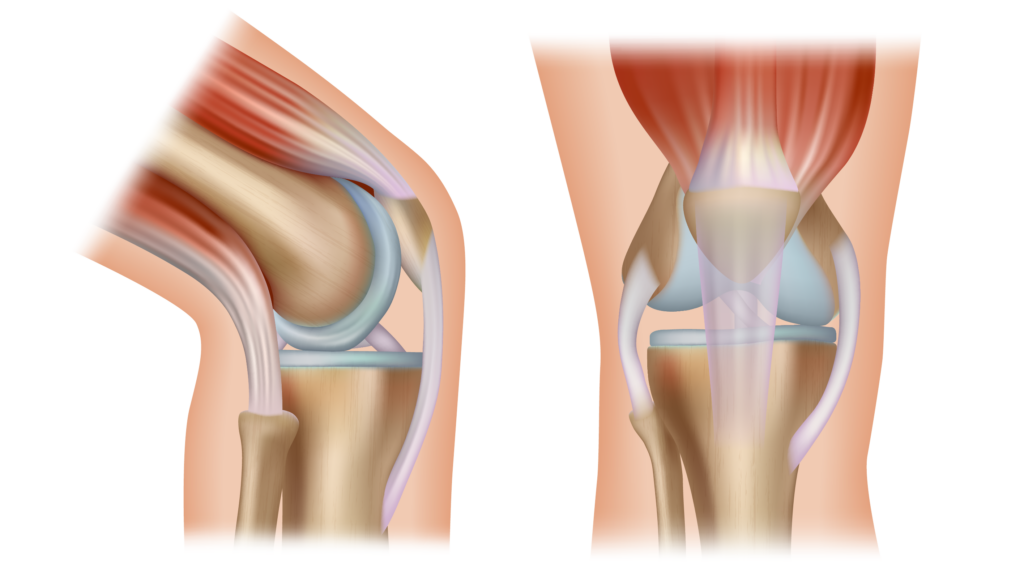
Knee pain is not always easy to describe.
Some people feel pain in the front of the knee. Others feel it on the inside, outside, behind the knee, above the kneecap, or below it. Sometimes the pain is sharp. Sometimes it feels like pressure, stiffness, swelling, instability, or a deep ache that gets worse with movement.
Where your knee hurts can offer important clues.
A knee pain location guide is not a diagnosis, but it can help you better understand what structures may be involved and why a deeper evaluation may be helpful. At Vessel Longevity, we look at knee pain through a whole-body lens because pain is rarely just about one isolated spot. It may involve inflammation, joint mechanics, cartilage, tendons, ligaments, muscle strength, recovery, body composition, or the body’s ability to repair tissue over time.
The goal is not simply to quiet pain.
The goal is to understand what your knee is trying to tell you.
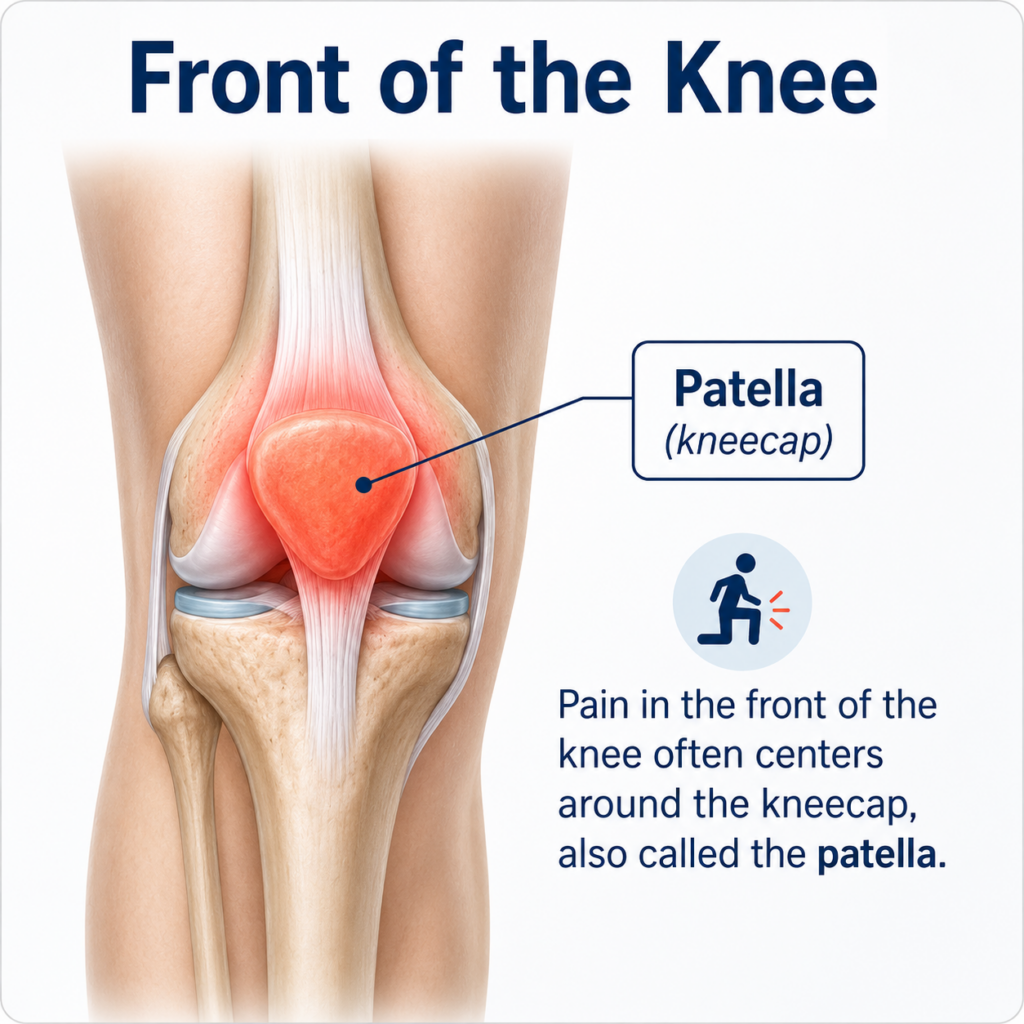
Front of the Knee
Pain in the front of the knee often centers around the kneecap, also called the patella. This area may become irritated with stairs, squats, lunges, running, sitting for long periods, or getting up from a chair.
Front knee pain may be connected to kneecap tracking, tendon irritation, cartilage changes, muscle imbalance, or patellofemoral pain. Some people describe it as pressure behind the kneecap, while others feel a sharp or aching sensation during bending movements.
This type of pain can be especially frustrating because it may come and go depending on activity level. It may feel manageable one week and then flare after travel, workouts, stairs, or prolonged sitting.
A physician-led evaluation can help determine whether the issue is related to joint alignment, tendon stress, cartilage health, strength imbalance, or inflammation.
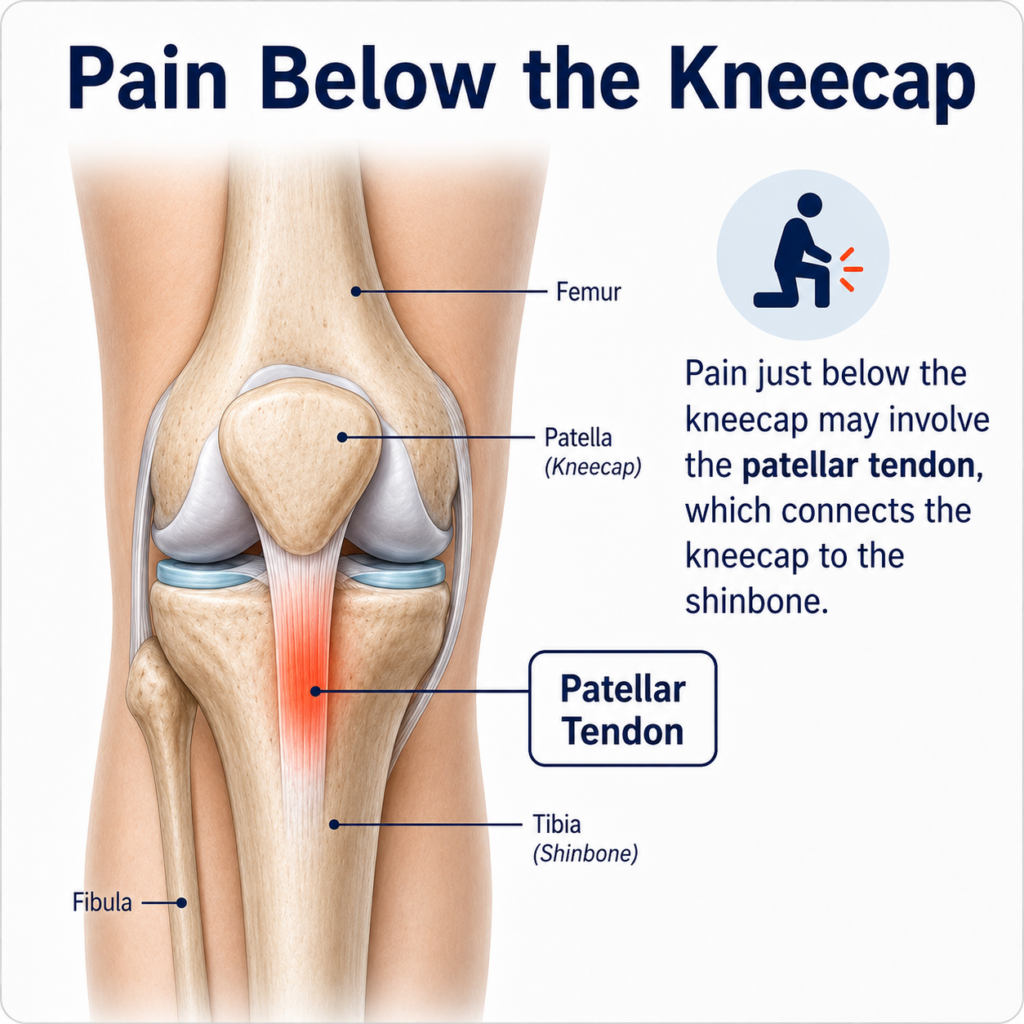
Pain Below the Kneecap
Pain just below the kneecap may involve the patellar tendon, which connects the kneecap to the shinbone. This area is often irritated by jumping, running, climbing stairs, squatting, or repeated high-impact movement.
Some people call this “jumper’s knee,” but it can affect more than athletes. It may show up in anyone who places repeated stress on the knee or increases activity too quickly.
Below-the-kneecap pain may also be influenced by tightness, weakness, poor recovery, or mechanics in the hips, ankles, and feet.
If this pain keeps returning, it may be a sign that the tendon is not recovering well or that the joint is being loaded in a way that needs attention.
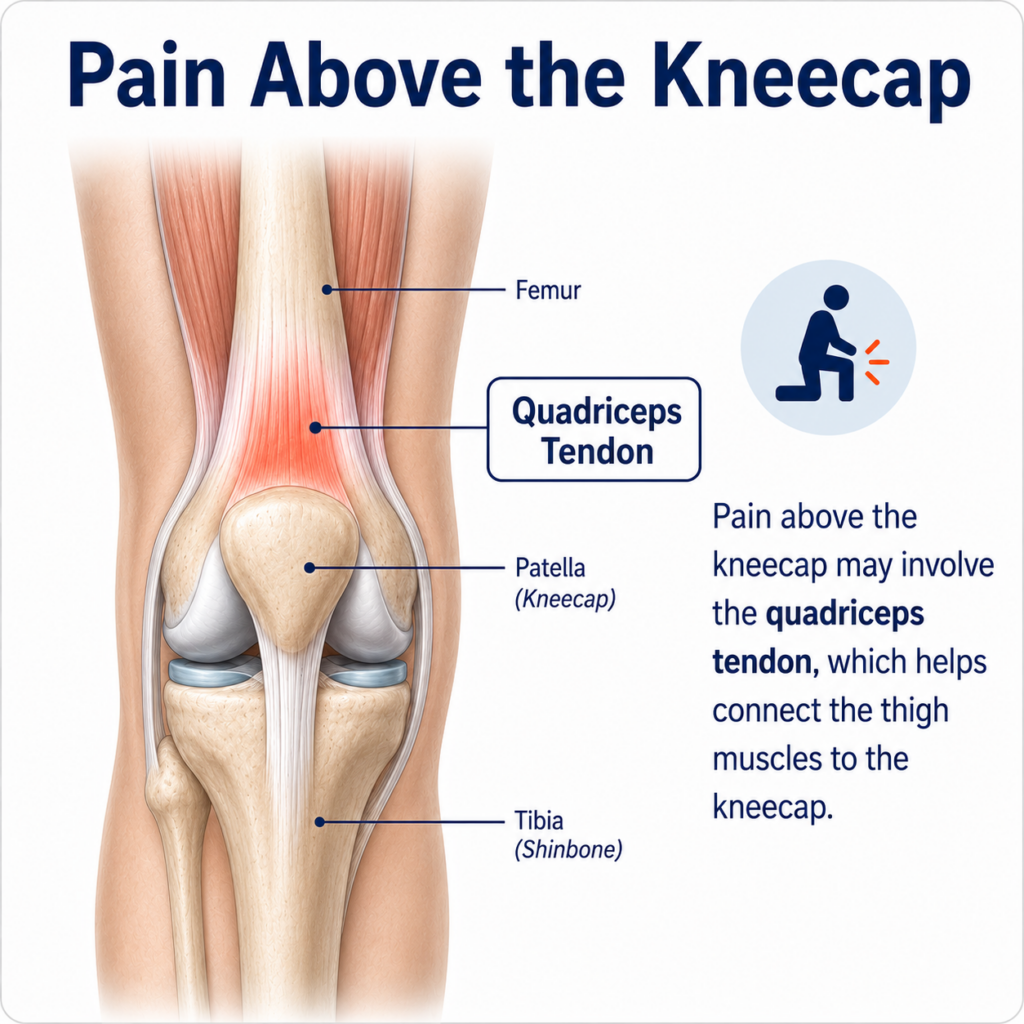
Pain Above the Kneecap
Pain above the kneecap may involve the quadriceps tendon, which helps connect the thigh muscles to the kneecap. This area can become irritated with repetitive bending, squatting, climbing, or strength training.
Because the quadriceps play a major role in stabilizing the knee, pain in this region may point to overload, weakness, tendon irritation, or recovery challenges.
A complete approach may look at muscle strength, movement patterns, inflammation, and the body’s ability to repair tissue after stress.
Inner Knee Pain
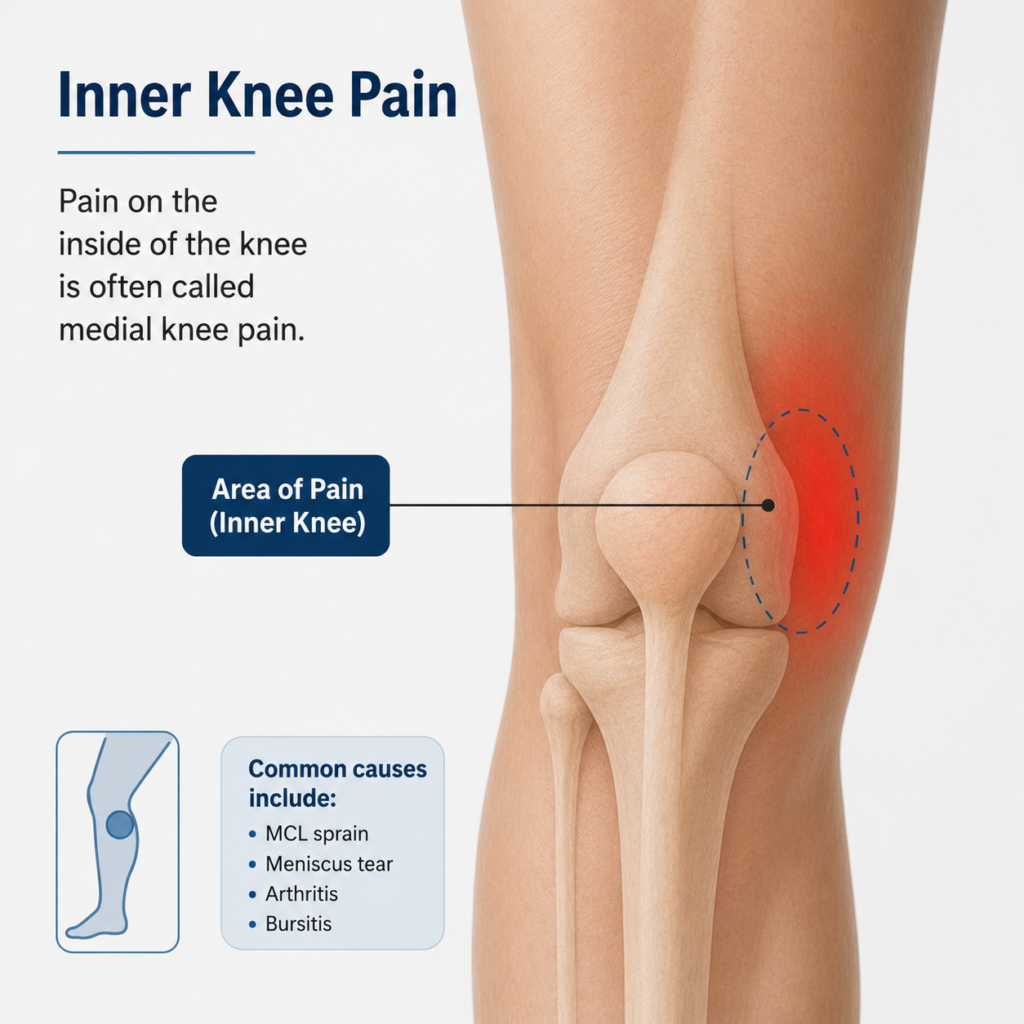
Pain on the inside of the knee is often called medial knee pain.
This area may involve the medial meniscus, the medial collateral ligament, joint cartilage, bursae, or arthritis-related changes. Inner knee pain can be triggered by twisting, pivoting, walking on uneven ground, squatting, or prolonged standing.
Some people feel tenderness along the joint line. Others notice swelling, stiffness, catching, or discomfort with side-to-side movement.
Inner knee pain may also be influenced by foot mechanics, hip strength, body composition, or the way the knee tracks during movement.
Because this area can involve several important structures, persistent inner knee pain should not be ignored.
Outer Knee Pain
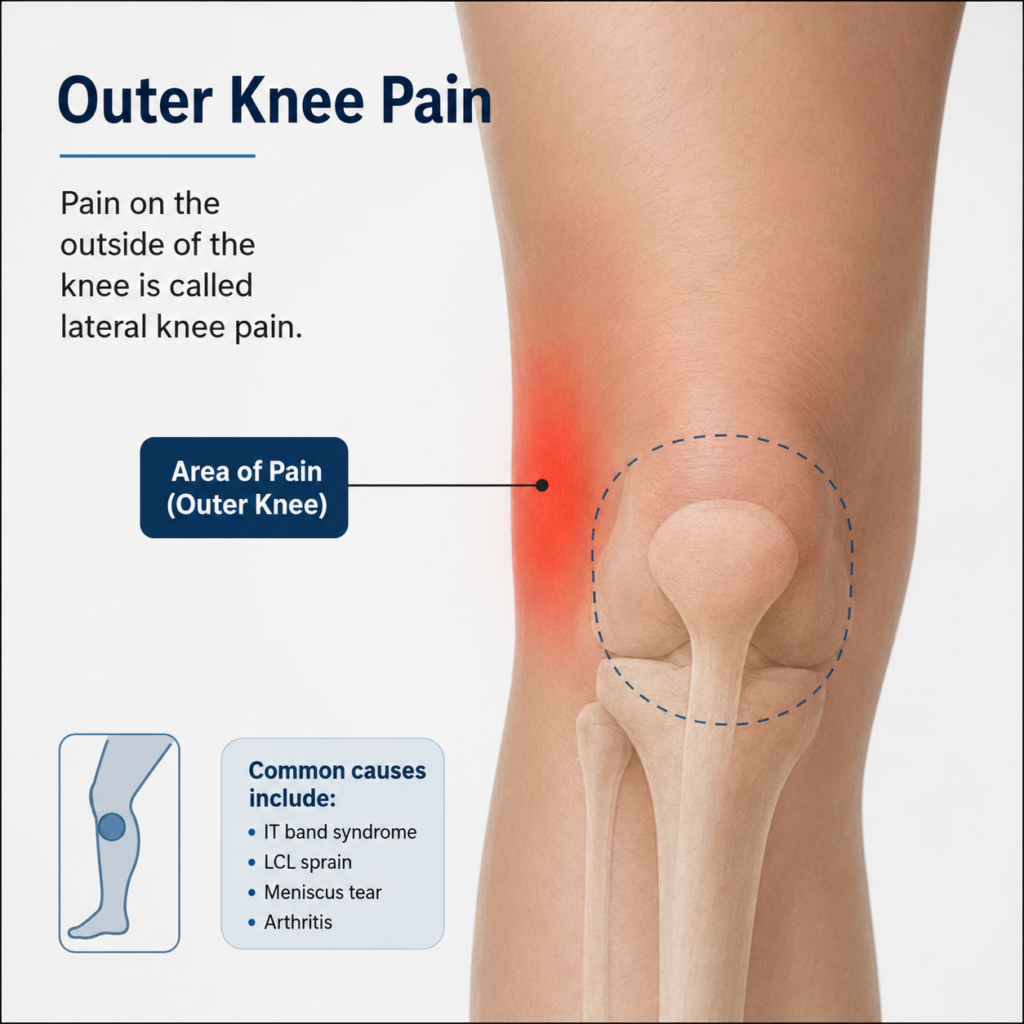
Pain on the outside of the knee is called lateral knee pain.
This may be connected to the iliotibial band, lateral meniscus, lateral collateral ligament, cartilage, tendon irritation, or movement mechanics. It is common in runners, cyclists, active adults, and people who increase their training volume quickly.
Outer knee pain may feel sharp during activity or tight and achy afterward. Some people feel it more when going downhill, climbing stairs, or standing after sitting.
The outside of the knee can also become irritated when the hip, glute, or ankle is not supporting movement well. This is why knee pain often requires looking beyond the knee itself.
Back of the Knee Pain
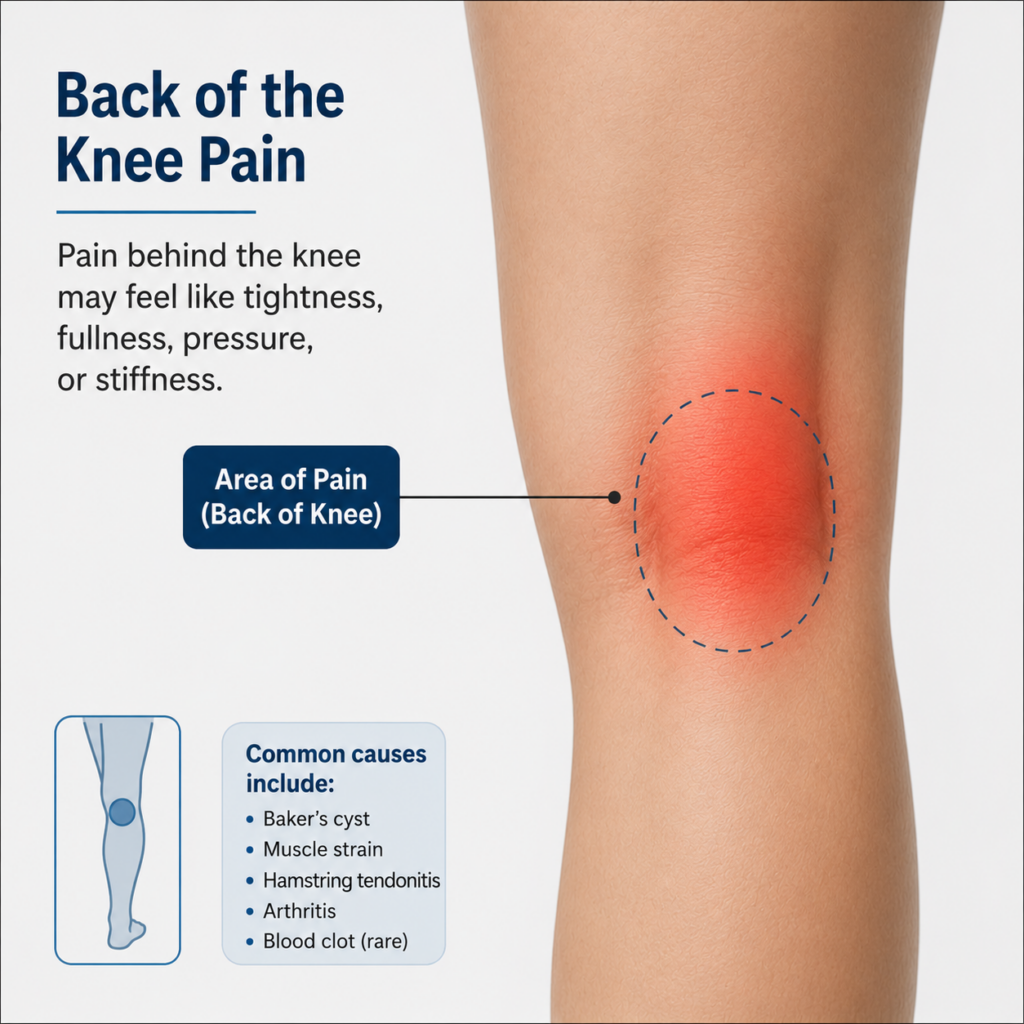
Pain behind the knee may feel like tightness, fullness, pressure, or stiffness. It may be related to a Baker’s cyst, hamstring strain, calf strain, posterior knee irritation, swelling, meniscus issues, or referred pain from another area.
Back-of-knee discomfort may become more noticeable when bending the knee fully, walking, squatting, or after long periods of activity.
Because swelling or pain behind the knee can have different causes, it is important to seek medical evaluation if symptoms are persistent, worsening, or accompanied by swelling, redness, warmth, or calf pain.
Pain All Around the Knee
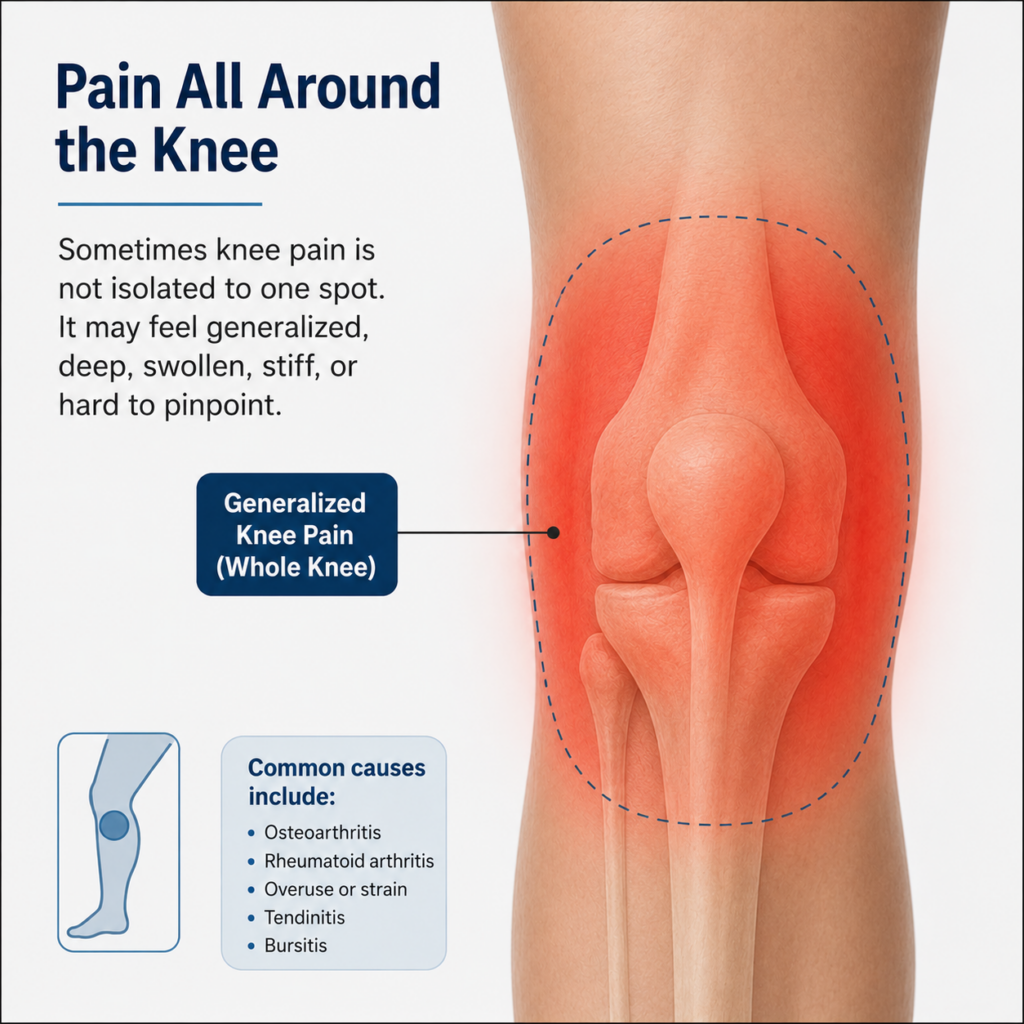
Sometimes knee pain is not isolated to one spot. It may feel generalized, deep, swollen, stiff, or hard to pinpoint.
This type of pain may be connected to inflammation, arthritis, overuse, joint degeneration, metabolic health, autoimmune factors, prior injury, or changes in cartilage and tissue health.
When pain feels widespread, it is especially important to look at the bigger picture.
How is your recovery?
How is your inflammation?
How is your body composition?
How is your strength?
How is your sleep?
How is your metabolic health?
Has your movement changed because of pain?
The knee is local, but healing is systemic.
When to Seek a Deeper Evaluation
Pain location can give you clues, but it cannot confirm a diagnosis by itself.
You should consider medical evaluation if knee pain lasts more than a few weeks, keeps returning, limits movement, causes swelling, affects walking, makes stairs difficult, creates instability, or prevents you from exercising or doing daily activities.
You should seek prompt medical attention if pain follows a traumatic injury, you cannot bear weight, the knee looks deformed, swelling is severe, you develop fever, or you notice redness, warmth, or significant calf pain.
A Longevity Approach to Knee Pain
At Vessel Longevity, we believe knee pain should be approached with curiosity and precision.
Instead of only asking, “Where does it hurt?” we also ask:
Why is this area under stress?
Is inflammation part of the picture?
Is tissue repair compromised?
Are strength, mobility, hormones, or recovery playing a role?
Depending on your needs, your personalized plan may include therapies available at Vessel such as regenerative medicine, shockwave therapy, peptide therapy, PEMF therapy, BioCharger sessions, IV nutrient support, hormone optimization, or body composition and metabolic health support.
For some patients, the goal may be reducing irritation. For others, it may be preserving mobility, supporting tissue repair, improving recovery, or returning to the activities they love.
Because longevity is not just about living longer.
It is about moving well, recovering well, and protecting your function for the years ahead.
If knee pain is affecting your movement, confidence, or quality of life, our physician-led team can help you take a deeper look.
Schedule a consultation with Vessel Longevity in Cedar Park or Lakeway.
Cedar Park: 512-337-7722
Lakeway: 512-489-7997