IV Therapy by Goal: A Guide to Different IV Drip Types


IV therapy has evolved beyond basic hydration. The better question is not just, “What types of IV drips are available?” It is: What do you want your IV therapy to support?

IV therapy has evolved beyond basic hydration. The better question is not just, “What types of IV drips are available?” It is: What do you want your IV therapy to support?
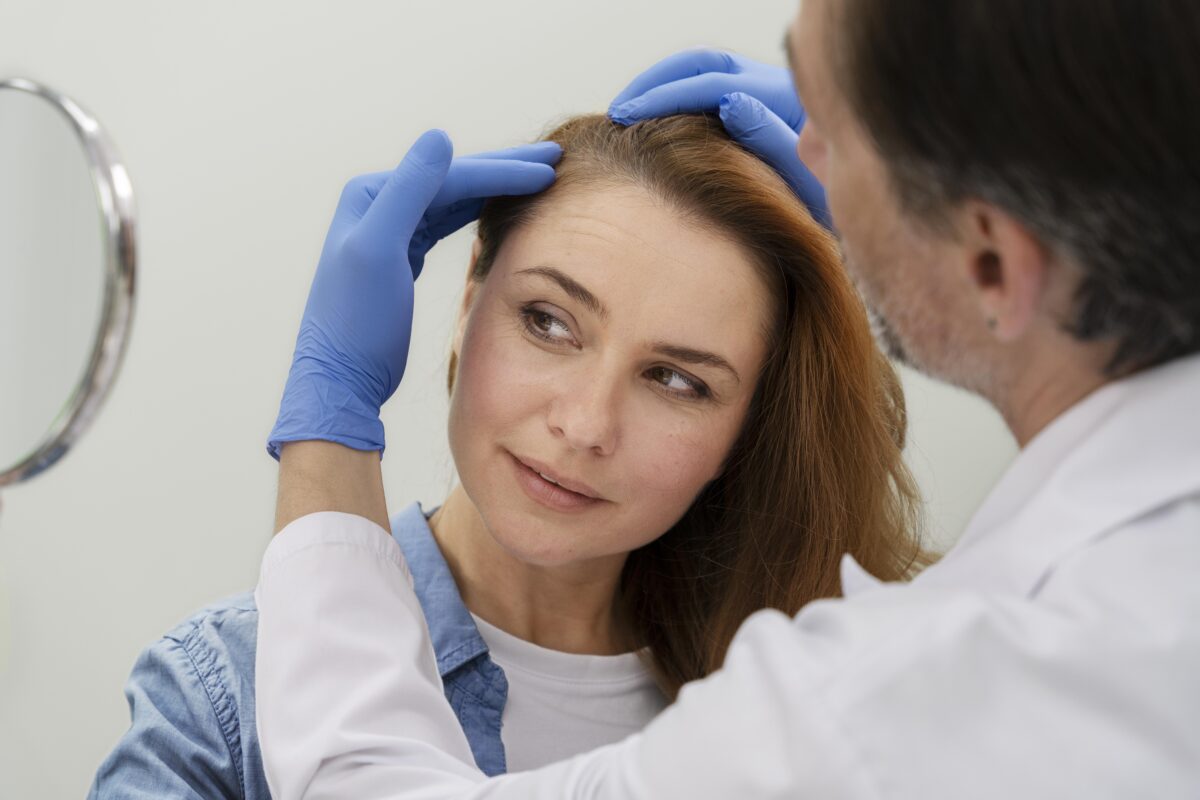
At Vessel Longevity + IV Bar, we understand the distress and frustration that hair loss can cause for women. Hair loss can significantly impact self-esteem and confidence, affecting both personal and professional lives. Fortunately, hormone replacement therapy (HRT) has emerged as a promising solution to combat female hair loss and restore hair health. In this article, we will explore the effectiveness of hormone replacement therapy in treating female hair loss and how it can help you regain your luscious locks.
Before delving into the benefits of hormone replacement therapy, it’s crucial to understand the root causes of female hair loss. Female pattern hair loss, also known as androgenetic alopecia, is the most common type of hair loss in women. It is characterized by a gradual thinning of the hair on the scalp, typically starting around the crown or the top of the head.
While genetics play a significant role in female hair loss, hormonal imbalances can exacerbate the condition. Hormones such as estrogen and testosterone can influence hair growth, and any disruptions in their balance may lead to hair thinning and loss.
Hormone replacement therapy involves the administration of hormones to restore the body’s natural hormone levels. For women experiencing hair loss due to hormonal imbalances, HRT can be a game-changer. Estrogen, a hormone responsible for promoting hair growth, tends to decline as women age. By replenishing estrogen levels through hormone replacement therapy, we can stimulate hair follicles and encourage new hair growth.
Numerous studies have shown the effectiveness of hormone replacement therapy in addressing female hair loss. A study published in the Journal of Clinical Endocrinology & Metabolism found that postmenopausal women who received HRT experienced a significant increase in hair density and thickness compared to those who did not undergo hormone therapy.
Additionally, hormone replacement therapy can improve the overall quality and texture of the hair, making it shinier and more vibrant. Many women who have undergone HRT for hair loss have reported not only regaining their hair but also feeling more confident and rejuvenated.
It is essential to consult with a qualified healthcare professional before starting hormone replacement therapy. The treatment should be personalized to address each individual’s unique hormonal needs. A comprehensive evaluation of hormone levels, medical history, and lifestyle factors will help determine the most suitable HRT approach.
There are various forms of hormone replacement therapy, including oral medications, patches, and creams. Your healthcare provider will guide you in selecting the most appropriate method based on your preferences and medical considerations.
While hormone replacement therapy can be highly effective on its own, combining it with other hair restoration techniques can yield even more remarkable results. Here are some complementary approaches that can enhance the outcomes of HRT:
If you’re struggling with female hair loss and seeking a solution that delivers real results, hormone replacement therapy could be the answer you’ve been looking for. By restoring hormonal balance and promoting hair growth, HRT has the potential to transform not only your hair but also your self-confidence.
At Vessel Longevity + IV Bar, we are dedicated to providing tailored hormone replacement therapy solutions that address your unique needs. Take the first step towards revitalizing your hair and restoring your confidence by scheduling a consultation with our expert team. Together, we can help you reclaim your crowning glory and embrace a life full of confidence and beauty.
Ready to reclaim your beautiful hair and boost your confidence? Contact Vessel Longevity + IV Bar ATX at 512-337-7722 to schedule your personalized hormone replacement therapy consultation today! Say goodbye to hair loss and hello to luscious locks! Don’t wait any longer – let us help you revitalize your hair and transform your life. Call now!
Hormone replacement therapy (HRT) is a treatment commonly used to alleviate symptoms associated with hormonal changes, particularly during menopause. While HRT provides numerous benefits, including relief from hot flashes and improved bone health, many individuals wonder about its potential impact on body weight. In this article, we will explore the relationship between hormone replacement therapy and body weight, considering hormonal changes, metabolism, and lifestyle factors that can influence weight during HRT.
In conclusion, hormone replacement therapy (HRT) can potentially influence body weight through hormonal changes, metabolism, and lifestyle factors. While HRT aims to restore hormone levels and alleviate menopausal symptoms, its impact on weight management can vary among individuals. Maintaining a healthy lifestyle, including a balanced diet and regular exercise, is important for overall well-being and weight management during HRT. It is advisable to consult with a healthcare professional for personalized guidance and support throughout the HRT journey.
Contact Vessel Longevity + IV Bar ATX today at (512) 337-7722 to learn more about hormone replacement therapy and its impact on body weight. Our experienced team can provide personalized guidance and support to help you navigate the process and address your concerns. Take the first step towards achieving optimal health and wellness. Call us now to schedule a consultation or to get more information about our services.
In the ever-progressing domain of medical treatments, hormone replacement therapy (HRT) is vital due to its profound influence on the quality of many individuals’ lives. It provides an effective solution for a range of debilitating symptoms and conditions. Yet, the key lies in accurately recognizing the signs indicating a need for HRT. This article illuminates these markers and explains how HRT proves beneficial.
Appreciating the role of hormonal balance is essential. As the body’s chemical messengers, hormones regulate numerous vital processes like metabolism, mood, reproduction, and growth. Any shift from this balance can lead to a host of health problems.

Hormonal imbalance manifests in a variety of signs which often resemble symptoms of other medical conditions. Listed below are some prominent indicators that one might require HRT:
Tiredness after a demanding day or rigorous exercise is common. But fatigue that persists and doesn’t alleviate with rest could be a warning signal for hormonal imbalance. Often, this symptom is associated with thyroid disorders, which can be successfully managed with HRT.
Frequent mood swings and depressive episodes could indicate hormonal fluctuations. These are notably common during perimenopause and menopause due to a drop in estrogen levels. Hormone replacement therapy can help stabilize these mood variations, enhancing mood stability and life quality.
A diminishing interest in sexual activities, challenges in achieving arousal, or other sexual dysfunctions may point toward hormonal changes. This symptom is frequently associated with a drop in estrogen or testosterone levels, both of which can be regulated by HRT.
An unanticipated weight gain, especially around the midsection, and challenges in weight loss could indicate hormonal discrepancies. These signs are often related to imbalances in insulin, thyroid, cortisol, or sex hormones.
Chronic sleep issues like insomnia or inconsistent sleep patterns may signal hormonal imbalance. While the melatonin hormone governs sleep cycles, an imbalance in cortisol, progesterone, and other hormones can disturb sleep.
HRT can mitigate the effects of hormonal imbalances, relieving the mentioned symptoms. Here are the common forms of HRT:
This therapy type is primarily used for women dealing with menopause symptoms. It aims to compensate for the estrogen that the body ceases to produce after menopause.
Progesterone therapy balances estrogen levels, mainly in women with uteruses. It prevents endometrial cancer that could result from estrogen therapy alone.
Testosterone therapy benefits both genders. For men, it is often used to treat symptoms of testosterone deficiency, while in women, it can boost sexual drive and energy levels.
Identifying the signs of hormonal imbalance is vital for effective treatment and management. Hormone replacement therapy is crucial in relieving these symptoms, restoring balance and relief to those who need it most. It is always advisable to consult a healthcare provider when hormonal imbalances are suspected, as they can provide personalized advice based on individual health statuses and needs.
For those grappling with the signs of hormonal imbalance discussed in this article, help is within reach. Vessel Longevity & IV Bar, a pioneer in health and wellness solutions, is just a call away. Their team of skilled medical professionals understands the intricacies of hormonal imbalances and the impactful role of hormone replacement therapy.
Do not let these symptoms govern the quality of life any longer. Reach out to Vessel Longevity & IV Bar at 512-337-7722. They stand ready to assist, offer advice, and help restore the balance needed for optimal health. It’s time to take that first step towards a healthier, balanced life. It’s time to reclaim control. Remember, with Vessel Longevity & IV Bar, one is never alone in their health journey.
At Vessel Longevity + IV Bar, we strive to provide you with in-depth knowledge about medical procedures and treatments. In this article, we will delve into the fascinating world of intravenous (IV) therapy and explore how it works. Whether you’re a medical professional seeking a comprehensive understanding or an individual curious about the intricacies of IV therapy, this article aims to provide you with the information you need.
Intravenous therapy, commonly known as IV therapy, is a medical procedure that involves delivering fluids, medications, or nutrients directly into the bloodstream through a vein. This method offers several advantages, including rapid absorption, precise dosage control, and the ability to bypass the digestive system.
To administer IV therapy, healthcare professionals use IV catheters or cannulas. These are thin, flexible tubes that are inserted into a vein to facilitate the infusion of fluids or medications. The choice of catheter size depends on the purpose of the therapy, the patient’s age, and the type of vein being accessed.
Before commencing the IV procedure, a healthcare provider carefully selects an appropriate vein. The most common sites for IV insertion include the forearm, hand, or antecubital area (the inner elbow). The selected area is cleaned and disinfected using an antiseptic solution to minimize the risk of infection.
Once the vein is prepared, the healthcare professional performs the IV insertion using sterile techniques. They may apply a tourniquet to make the vein more prominent and easier to access. After locating the vein, the healthcare provider gently inserts the catheter into the vein at a slight angle, ensuring proper placement.
After the catheter is successfully inserted, it is secured in place with a transparent dressing or adhesive tape. This ensures that the catheter remains in the correct position during the therapy session. The dressing also serves as a barrier against contaminants, reducing the risk of infection.
IV therapy involves the administration of various solutions, including saline, electrolyte solutions, medications, blood products, or nutritional fluids. These solutions are carefully selected based on the patient’s needs and the purpose of the therapy. They may be premixed or prepared as a custom infusion.
In many cases, IV therapy is facilitated using infusion pumps. These devices regulate the flow rate of the IV solution, ensuring precise and controlled administration. Infusion pumps are programmed with the required infusion rate, which may vary based on the patient’s condition, the medication being administered, or the desired outcome.
Throughout the IV therapy session, healthcare professionals closely monitor the patient’s vital signs and the flow of the IV solution. Regular assessments are conducted to ensure that the therapy is progressing as intended. If necessary, adjustments to the flow rate or medication dosage can be made to optimize patient care.
In some cases, IV therapy may encounter complications such as infiltration or extravasation. Infiltration occurs when the IV solution leaks into the surrounding tissue, while extravasation refers to the infiltration of medications that can cause damage or irritation. To mitigate these risks, healthcare professionals continually assess the IV site, ensuring proper placement and monitoring for any signs of complications.
Maintaining a sterile environment and employing strict infection prevention protocols is crucial during IV therapy. Proper hand hygiene, sterile techniques, and routine dressing changes are essential to reduce the risk of infection. In addition, healthcare providers closely monitor the IV site for any signs of infection and promptly address any concerns.
Phlebitis, inflammation of the vein, is another potential complication of IV therapy. This can be caused by various factors, including the size of the catheter, the duration of therapy, and the composition of the infused solution. Adequate site rotation, appropriate catheter sizes, and regular assessment help minimize the risk of phlebitis.
Intravenous therapy plays a vital role in modern medicine, enabling the efficient delivery of fluids, medications, and nutrients directly into the bloodstream. Understanding the various aspects of IV therapy, from the anatomy of an IV procedure to potential complications and safety measures, is crucial for healthcare professionals and individuals alike. By ensuring a comprehensive understanding of IV therapy, we empower you to make informed decisions and provide optimal care to patients.
To embark on an extraordinary experience, book your stay at Vessel Longevity + IV Bar today! Contact us at (512) 337-7722 to reserve your unforgettable getaway.