The Science of Movement: Why Moving Well Matters for Longevity

Movement is one of the most powerful signals you can send to the body.

It affects strength, metabolism, circulation, balance, joint health, mood, recovery, and long-term function. Yet many people think movement only “counts” if it looks like a formal workout.

That is one of the biggest misconceptions in wellness.

Exercise matters. Strength training matters. Cardio matters. But movement is much broader than exercise. Movement includes the everyday ways your body bends, reaches, walks, carries, balances, stretches, stabilizes, and responds to the world around you.

At Vessel Longevity, we believe movement is not just about burning calories or checking off a workout. It is about preserving function, protecting independence, and supporting a body that can keep doing the things you love for years to come.

Movement vs. Exercise: What Is the Difference?

Physical activity is any movement of the body that uses energy. That can include walking, gardening, taking the stairs, playing with your kids, carrying groceries, cleaning the house, dancing, stretching, cycling, or doing recreational activities.

Exercise is a more structured form of movement. It is usually planned, repetitive, and designed to improve or maintain fitness.

Both matter.

A strength training session is exercise.
A walk after dinner is movement.
A mobility routine is movement.
Taking the stairs is movement.
Lifting weights is exercise.
Playing pickleball is both movement and exercise.
Getting up from your desk every hour is movement.

The goal is not to turn every moment into a workout. The goal is to understand that the body was designed to move often, in different ways, and through different ranges of motion.

Why Movement Matters for Longevity

Longevity is not only about living longer. It is about maintaining the ability to move, recover, balance, lift, walk, travel, play, and participate in life.

A body that moves well has more options.

Movement supports muscle mass, which is important for metabolism, glucose regulation, balance, and healthy aging. It supports joints by encouraging circulation, mobility, and tissue nourishment. It supports the cardiovascular system by improving endurance and circulation. It supports the nervous system by helping the body regulate stress, coordination, and balance.

Movement also gives important feedback.

If you are stiff, unstable, weak, easily fatigued, or avoiding certain activities because of pain, your body may be telling you something. Those signals are worth paying attention to before they become bigger limitations.

Different Types of Movement

A complete movement plan is not one-dimensional. Different types of movement support different parts of health.

1. Walking and Daily Movement

Walking is one of the most accessible forms of movement. It supports circulation, joint motion, cardiovascular health, blood sugar regulation, and mental clarity.

Daily movement also includes the ordinary things people often overlook: standing up from a chair, walking through the grocery store, taking the stairs, doing light chores, or moving between tasks.

These small moments matter because the body responds to consistency.

2. Strength Training

Strength training helps preserve muscle, support metabolism, protect joints, and maintain independence.

This can include weights, resistance bands, bodyweight exercises, machines, or functional movements like squats, carries, pushes, and pulls.

Strength is not only for athletes. It is one of the foundations of healthy aging.

3. Mobility and Flexibility

Mobility is the ability to move joints through their range of motion with control. Flexibility is the ability of muscles and tissues to lengthen.

Both help the body move more comfortably.

Mobility work may include hip openers, shoulder movement, spinal rotation, ankle mobility, dynamic stretching, or controlled range-of-motion exercises.

This matters because stiffness can change how the body moves and may lead to compensation elsewhere.

4. Balance and Stability

Balance is often overlooked until it becomes a problem.

Stability training helps the body maintain control during movement. It may include single-leg work, core training, controlled stepping patterns, balance drills, or exercises that challenge coordination.

Balance and stability are especially important for fall prevention, joint protection, and confidence with movement as we age.

5. Cardiovascular Movement

Cardiovascular movement supports the heart, lungs, circulation, endurance, and metabolic health.

This can include walking faster, cycling, swimming, rowing, hiking, dancing, or interval-style training depending on the person’s fitness level and goals.

Cardio does not have to be punishing to be beneficial. The right intensity depends on the individual.

6. Recovery-Based Movement

Not every movement session needs to be intense.

Gentle movement can support recovery, nervous system regulation, circulation, and reduced stiffness. This may include walking, stretching, yoga, breath-based movement, light mobility work, or low-impact activity.

Recovery-based movement can be especially helpful for people who are stressed, sore, inflamed, or returning after time away from exercise.

What Counts as Movement?

More than most people think.

Movement does not have to make you sweat to count. It does not have to happen in a gym. It does not have to be 60 minutes long. It does not have to be perfect.

Movement can be:

A 10-minute walk
Stretching between meetings
Taking the stairs
A strength session
Playing with your children or grandchildren
Gardening
Swimming
Dancing
Walking the dog
Mobility work
Carrying groceries
Standing and moving during the workday

The body benefits from both structured exercise and frequent daily movement.

This is important because many people dismiss small movements as “not enough.” But from a longevity perspective, the goal is to build a life where movement is woven into the day, not reserved only for formal workouts.

What Counts as Exercise?

Exercise is usually more intentional.

It is movement with a purpose: improving strength, endurance, mobility, balance, body composition, performance, or cardiovascular fitness.

That may include lifting weights, doing Pilates, taking a fitness class, cycling, running, swimming, doing intervals, or following a structured mobility or conditioning plan.

Exercise is valuable because it creates a specific stimulus for adaptation. The body responds by becoming stronger, more efficient, more resilient, and better prepared for future demands.

But exercise should not replace movement.

A person can work out for one hour and still sit for most of the day. A longevity-focused approach looks at both: structured exercise and overall movement patterns.

Movement Should Be Personalized

Not every body needs the same movement plan.

A person with knee pain may need a different strategy than someone training for performance. Someone recovering from injury may need more mobility and tissue support before intensity. Someone with fatigue or hormone changes may need a plan that balances strength, recovery, and metabolic support.

At Vessel Longevity, we look at movement as part of the bigger picture.

Pain, fatigue, inflammation, body composition, hormones, sleep, recovery, nutrition, and cellular health can all affect how a person moves and adapts.

The right movement plan should support the whole person.

Move Better. Age Better.

Movement is one of the most important tools for longevity because it protects function.

It helps preserve the ability to lift, walk, climb, balance, recover, and participate fully in life.

The goal is not simply to exercise harder.

The goal is to move with purpose, consistency, strength, and confidence.

If pain, fatigue, stiffness, weight changes, or slower recovery are affecting your ability to move well, it may be time to take a deeper look.

At Vessel Longevity, our physician-led team helps patients explore personalized options to support mobility, recovery, metabolic health, and long-term function.

Because longevity is not just about adding years to life.

It is about protecting the movement, strength, and confidence that make those years worth living.

Schedule a consultation with Vessel Longevity in Cedar Park or Lakeway.

Cedar Park: 512-337-7722
Lakeway: 512-489-7997

When Was the Last Time You Checked In on Your Healthspan?

Most people wait until something feels wrong before they check in on their health.

They wait for fatigue to become exhaustion.
They wait for weight changes to feel frustrating.
They wait for poor sleep, slower recovery, joint discomfort, or hormonal changes to interrupt daily life.

But longevity medicine asks a better question:

What if we could understand the body earlier?

At Vessel Longevity, we believe health care should be proactive, personalized, and focused on helping you preserve strength, mobility, energy, recovery, and quality of life over time.

That is where a longevity check-in can be so valuable.

What Is a Longevity Check-In?

A longevity check-in is a personalized health evaluation designed to help you understand how your body is functioning now, not just whether you are sick.

It looks at the bigger picture of how you feel, move, recover, sleep, age, and perform.

Instead of only asking, “What symptom brought you in?” a longevity check-in may explore questions like:

How is your energy?
How is your sleep?
How is your metabolism?
How are your hormones?
How well are you recovering?
How is your body composition changing?
Are inflammation, nutrient status, or cellular health affecting how you feel?

The goal is not to chase every trend or treatment.

The goal is to gather the right information, understand your priorities, and build a plan that is appropriate for your body.

Why Healthspan Matters

Longevity is often misunderstood as simply living longer.

Your lifespan encompasses all the years that you live. If you live to be 80, your lifespan is 80 years long. 

Life expectancy is calculated based on factors like mortality rates and average lifespan of a population. Currently, the life expectancy for men in the U.S. is 75, and for women, it’s 80. 

Healthspan takes the idea of lifespan and adds a twist. It’s the number of years you spend in good health, without any of the chronic conditions or disabilities that are often part of aging. 

That means longevity is not only about the future. It is about the way you feel today. 

Your energy matters.
Your movement matters.
Your sleep matters.
Your recovery matters.
Your hormones, metabolism, muscle mass, and inflammation all matter.

A longevity check-in helps you stop guessing and start looking at your health with more clarity.

Why Data Is Important

Many people know something feels off, but they do not always know why.

They may be eating better, exercising, taking supplements, or trying to improve their sleep, but still feel stuck.

That is where data can help.

Depending on your needs, a longevity check-in may include a review of labs, body composition, symptoms, lifestyle patterns, health history, and personal goals.

This can help identify patterns connected to:

Energy and fatigue
Weight and metabolism
Hormone balance
Recovery and inflammation
Cellular health
Nutrient status
Sleep and performance
Mobility and joint health

Data alone is not care. But the right data, interpreted through physician-led guidance, can help create a more personalized plan.

Personalized Care Matters

No two people age the same way.

One person may need support with hormone optimization. Another may benefit from medical weight loss, IV nutrient therapy, NAD+ or Niagen support, peptide therapy, regenerative treatments, body composition tracking, or a recovery-focused plan.

For someone else, the first step may simply be understanding what their labs are showing and creating a realistic strategy.

At Vessel Longevity, we believe the right care starts with the right conversation.

Your plan should reflect your data, your goals, your physiology, and your stage of life.

A More Proactive Way to Care for Your Body

A longevity check-in is not about waiting until your health becomes harder to manage.

It is about paying attention earlier.

It is about asking better questions, identifying meaningful patterns, and creating a plan that supports long-term wellness from the inside out.

If you have been feeling tired, struggling with weight changes, noticing slower recovery, dealing with inflammation, experiencing hormonal shifts, or simply wanting a more proactive approach to aging, a longevity check-in may be the right next step.

Because the goal is not just to add years to life.

It is to add strength, mobility, energy, confidence, and quality to the years ahead.

Schedule a consultation with Vessel Longevity in Cedar Park or Lakeway.

(Link)

Cedar Park: 512-337-7722
Lakeway: 512-489-7997


___ Meta

When was the last time you checked in on your healthspan? Explore physician-led longevity care for energy, recovery, metabolism, and hormones.

Best Peptides for Weight Loss: Why GLP-1 Is Only Part of a Precision Plan

Peptide therapy has become one of the most talked-about topics in weight loss, metabolism, and longevity medicine.

But not all peptides are the same.

Some peptides are used as FDA-approved medications. Others may be used in physician-guided wellness or regenerative care, depending on the patient, the clinical goal, and the treatment plan. That distinction matters because weight loss should never be approached as a trend, shortcut, or one-size-fits-all protocol.

At Vessel Longevity, we believe the best weight loss plan is not simply about losing pounds. It is about supporting metabolism, preserving function, protecting muscle, improving energy, and helping the body transform with precision.

That is why our GLP-1 Weight Loss Program is designed to be physician-led, personalized, and supported by more than medication alone.

What Are Peptides?

Peptides are short chains of amino acids that can act as signaling molecules in the body. Some peptides help regulate appetite, metabolism, tissue repair, hormone signaling, inflammation, recovery, or cellular communication.

In weight loss medicine, the most recognized peptide-related treatments are GLP-1 receptor agonists. These medications are designed to mimic or activate pathways connected to appetite, blood sugar regulation, and satiety.

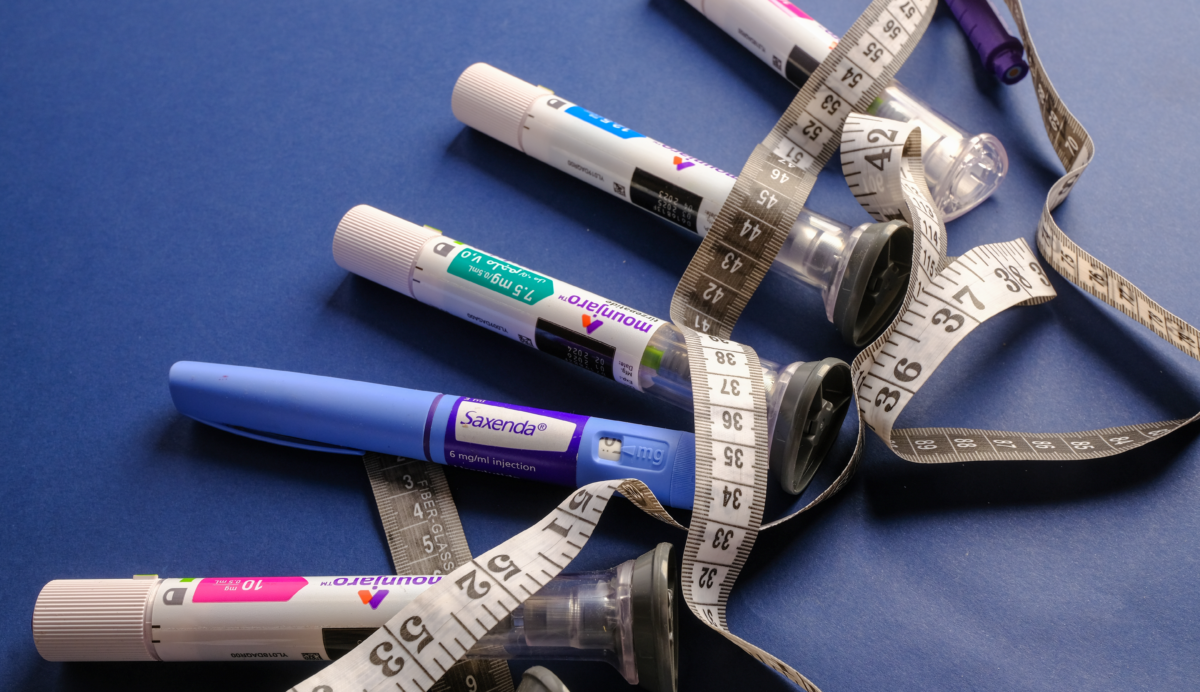
FDA-approved GLP-1 and related medications have changed the weight loss conversation because they can help eligible patients reduce excess body weight when used alongside nutrition, physical activity, and medical oversight. The FDA has approved semaglutide and Tirzepatide products for chronic weight management in certain adults with obesity or overweight with weight-related conditions. (U.S. Food and Drug Administration)

GLP-1: The Foundation for Medical Weight Loss

For many patients, GLP-1 therapy may be one of the most effective options for medically supported weight loss.

GLP-1 medications may help reduce appetite, support satiety, and improve metabolic regulation. Tirzepatide, for example, works through both GLP-1 and GIP pathways and is FDA-approved for chronic weight management in qualifying adults, in addition to a reduced-calorie diet and increased physical activity. (U.S. Food and Drug Administration)

But the medication alone is not the whole plan.

Successful weight loss should also consider body composition, muscle preservation, hydration, nutrient status, movement, recovery, sleep, hormones, and long-term maintenance.

That is where precision matters.

Why “Best Peptide” Depends on the Person

The best peptide for weight loss is not always the newest or most talked-about option. It is the one that fits the patient’s medical history, goals, labs, body composition, lifestyle, and long-term plan.

For some patients, GLP-1 therapy may be the primary tool.

For others, additional support may be appropriate to help with recovery, muscle preservation, energy, inflammation, tissue repair, or metabolic resilience.

This is especially important because weight loss is not just about fat loss. Patients may also lose lean mass during weight loss, which is why protein intake, movement, and strength support matter. The Endocrine Society has highlighted the importance of physical activity and protein intake for patients using GLP-1 medications, especially to help protect muscle during weight loss. (Endocrine Society)

At Vessel, we do not want patients simply smaller.

We want them stronger, healthier, and better supported.

Combining GLP-1 With IV Therapy

Many patients on weight loss medication experience reduced appetite or changes in food intake. While that can support weight loss, it can also make hydration, nutrient intake, and energy support more important.

That is why IV therapy may be part of a more complete plan.

IV therapy is not a replacement for nutrition, and it is not a magic weight loss tool. But for the right patient, physician-guided IV support may help address hydration, nutrient support, energy, recovery, and overall wellness as the body adjusts through a weight loss journey.

At Vessel, the goal is to support the body as a system.

Medication may support appetite and metabolic change. IV therapy may support hydration and nutrients. Other therapies may support recovery, muscle, hormones, inflammation, or cellular health.

Together, the plan becomes more precise.

Why Flat-Fee Pricing Matters

One of the frustrations patients experience with some weight loss programs is price confusion.

Costs may increase as the dose changes. Patients may start one plan and later realize the monthly cost is different than expected.

Vessel Longevity’s GLP-1 Weight Loss Program is built around a flat monthly fee.

That means more clarity, more built-in value, and no surprise dose-based price increases.

Our program may include GLP-1 medication support, labs, injections, monthly IV support, concierge medicine, and body composition tracking, depending on the individual plan.

It is designed to support the whole person, not just the prescription.

Safety and Medical Oversight Matter

Because GLP-1 medications and peptide therapies can affect appetite, digestion, blood sugar, hydration, nutrient intake, and other systems, medical oversight is essential.

The FDA has warned about risks related to compounded GLP-1 products, including dosing errors and concerns around certain compounded semaglutide formulations. (U.S. Food and Drug Administration)

This is why patients should avoid “one-click” weight loss shortcuts and instead work with a qualified medical team that can evaluate risks, review labs, monitor progress, and adjust the plan appropriately.

A Precision Approach to Weight Loss

The best peptides for weight loss are not about chasing a trend.

They are about choosing the right tool, at the right time, for the right person.

For many patients, GLP-1 therapy may be the foundation. But long-term success often requires more: hydration, nutrient support, body composition tracking, muscle preservation, recovery, hormone awareness, and a physician-led strategy.

At Vessel Longevity, our approach is designed for cellular transformation, not just one area of weight optimization.

Because the goal is not only to lose weight.

The goal is to help you feel better, move better, recover better, and build a body that can support your longevity.

Schedule a consultation with Vessel Longevity in Cedar Park or Lakeway.

Cedar Park: 512-337-7722
Lakeway: 512-489-7997

NAD+ Therapy: Why Cellular Energy Matters for Longevity

When people think about aging, they often think about wrinkles, weight changes, slower recovery, or lower energy. But many of the changes we feel on the outside begin much deeper inside the body.

They begin at the cellular level.

One molecule that has become a major focus in longevity medicine is NAD+, short for nicotinamide adenine dinucleotide. NAD+ plays an important role in cellular energy, metabolism, DNA repair, and the way the body responds to stress.

At Vessel Longevity, we view NAD+ support as part of a broader conversation about energy, recovery, performance, and healthy aging. It is not about chasing a trend. It is about understanding how the body produces energy and how cellular health can influence how you feel, move, and recover over time.

What Is NAD+?

NAD+ is a coenzyme found in every cell of the body. It helps cells convert nutrients into usable energy and supports several important cellular processes.

In simple terms, NAD+ helps the body do some of its most essential work.

It is involved in:

Energy metabolism
Mitochondrial function
DNA repair
Cellular stress response
Healthy aging pathways
Inflammation and immune signaling

Because NAD+ is connected to how cells create and use energy, it has become a key topic in longevity and regenerative medicine.

Why NAD+ Declines With Age

Research suggests that NAD+ levels may decline with age and may also be affected by stress, inflammation, metabolic dysfunction, poor sleep, alcohol use, certain lifestyle factors, and chronic health conditions.

When NAD+ availability changes, the body’s ability to support cellular repair, energy production, and resilience may also be affected.

This is one reason people exploring longevity care often ask about NAD+ therapy, Niagen, and other NAD-supporting options.

But it is important to be clear: NAD+ support is not a magic anti-aging treatment. Human research is still evolving, and results can vary. The most responsible approach is physician-guided, individualized, and connected to a broader plan.

NAD+ and Cellular Energy

One of the biggest reasons patients are interested in NAD+ is energy.

Many people describe feeling tired, foggy, slow to recover, or not as resilient as they used to be. While fatigue can have many causes, cellular energy is one part of the bigger picture.

The mitochondria are often described as the energy centers of the cells. NAD+ helps support metabolic processes that allow mitochondria to function properly.

When the body has better cellular support, patients may be better positioned to work on the habits and treatments that support long-term wellness: movement, recovery, sleep, nutrition, body composition, hormone balance, and metabolic health.

NAD+ vs. Niagen: What Is the Difference?

NAD+ can be supported in different ways.

NAD+ therapy typically refers to direct NAD+ support, often offered through IV therapy or injections in clinical wellness settings.

Niagen is a branded form of nicotinamide riboside, a vitamin B3-related NAD+ precursor. Instead of being NAD+ itself, it supports the body’s ability to make NAD+.

The right option depends on the person.

Some patients may be interested in NAD+ IV therapy for cellular support and recovery. Others may be better candidates for Niagen or another NAD-supporting approach. A physician-led consultation can help determine what makes the most sense based on goals, health history, labs, medications, and the overall treatment plan.

Why NAD+ Should Be Part of a Bigger Longevity Plan

NAD+ is important, but it is not the whole picture.

A strong longevity strategy may also include:

Lab review
Body composition tracking
Hormone optimization
Medical weight loss
Peptide therapy
IV vitamin therapy
Regenerative medicine
Nutrition and protein support
Strength and movement planning
Sleep and recovery support

This matters because fatigue, weight changes, inflammation, poor recovery, and low performance are rarely caused by one thing.

At Vessel Longevity, we do not look at NAD+ in isolation. We look at how it may fit into a more complete plan for cellular health, recovery, metabolism, and long-term performance.

Who May Be Interested in NAD+ Support?

Patients often ask about NAD+ or Niagen when they are looking for support with:

Low energy
Brain fog
Recovery
Performance
Healthy aging
Cellular health
Metabolic wellness
Travel recovery
High-stress seasons
Longevity optimization

However, NAD+ therapy may not be appropriate for everyone. Safety, medical history, medications, and personal goals should always be reviewed before beginning treatment.

This is especially important because IV therapy is a medical procedure and should be provided with proper oversight, screening, and clinical judgment.

A More Personalized Approach to Cellular Health

The future of longevity care is not about doing every trending therapy.

It is about choosing the right tools for the right person at the right time.

For some patients, NAD+ support may be a valuable part of a personalized plan. For others, the better starting point may be labs, hydration, nutrition, hormone support, medical weight loss, or recovery-focused care.

The goal is precision.

At Vessel Longevity, our physician-led team helps patients explore options like NAD+, Niagen, IV therapy, peptide therapy, and other longevity treatments within a personalized plan designed around their body and goals.

Because aging well is not only about adding years to life.

It is about supporting energy, recovery, resilience, and quality of life in the years ahead.

Schedule a consultation with Vessel Longevity in Cedar Park or Lakeway.

Cedar Park: 512-337-7722
Lakeway: 512-489-7997

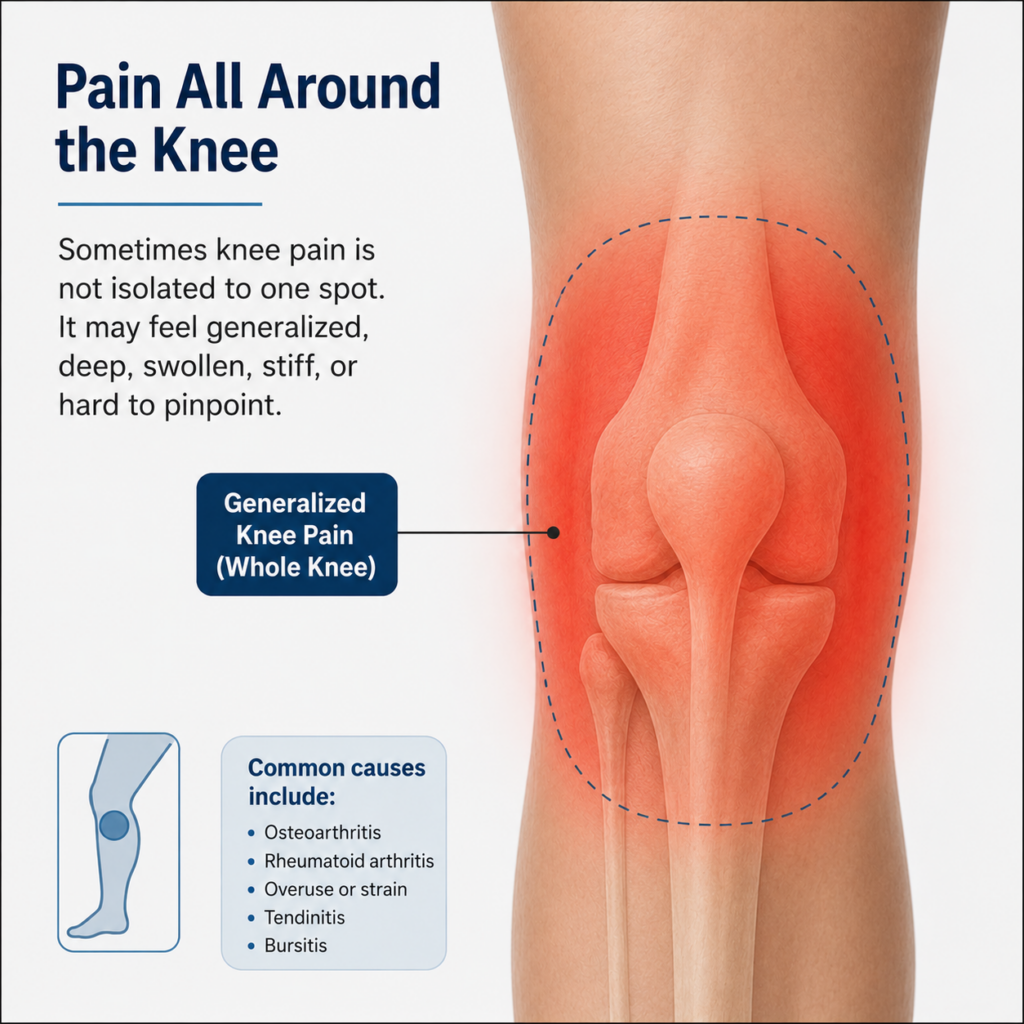
Why Knee Pain May Be More Than Inflammation

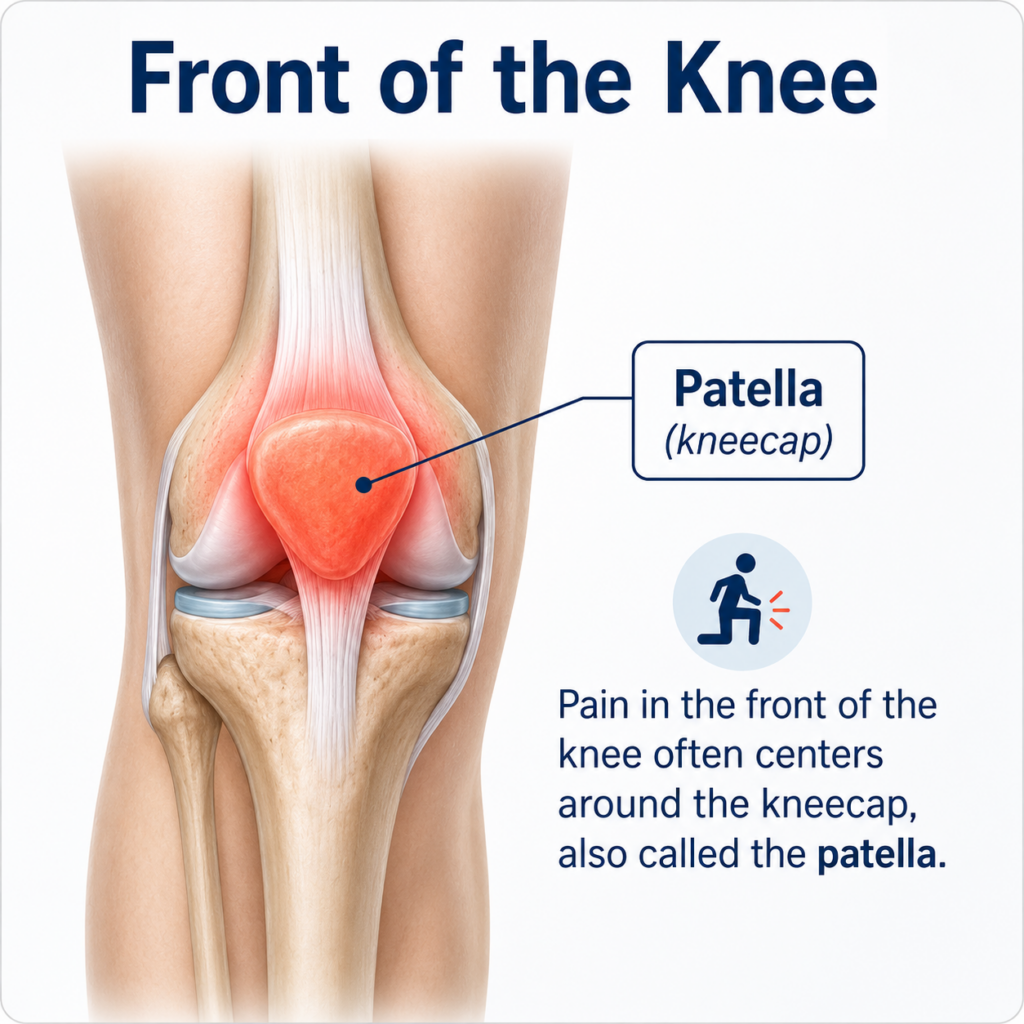
Knee pain is one of the most common reasons people slow down, avoid certain activities, or feel like their body is aging faster than it should.

For some, it starts as a dull ache after exercise. For others, it shows up as stiffness in the morning, swelling after a long day, pain going up and down stairs, or discomfort that makes it harder to walk, squat, kneel, or stay active.

Many people assume knee pain is simply “inflammation.” 

Very generally speaking, inflammation is the body’s immune system’s response to an irritant. The irritant might be a germ, but it could also be a foreign object, such as a splinter in your finger.

And inflammation can absolutely be part of the picture. But knee pain is often more complex than that.

At Vessel Longevity, we look at knee pain through a broader lens. Pain may be connected to inflammation, but it may also involve joint structure, cartilage health, muscle strength, movement patterns, past injuries, weight, hormones, recovery, or the body’s ability to repair tissue over time.

In other words, the question is not only, “How do we calm inflammation?”

The better question is, “Why is the knee irritated in the first place?”

Knee Pain Can Have Many Causes

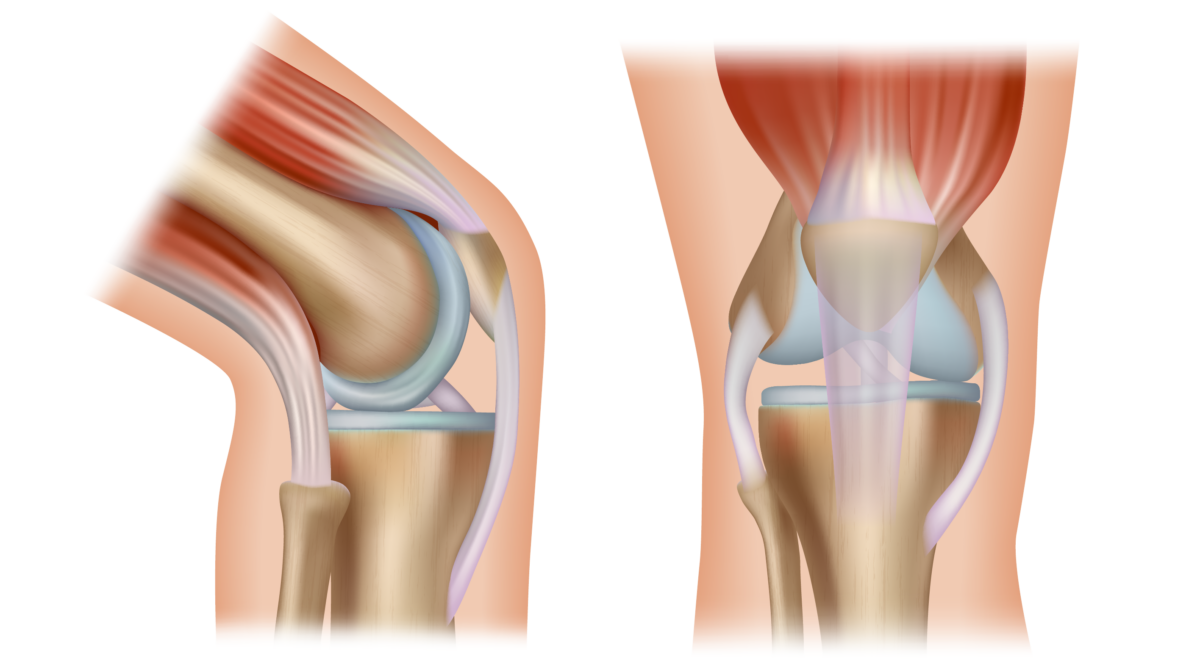
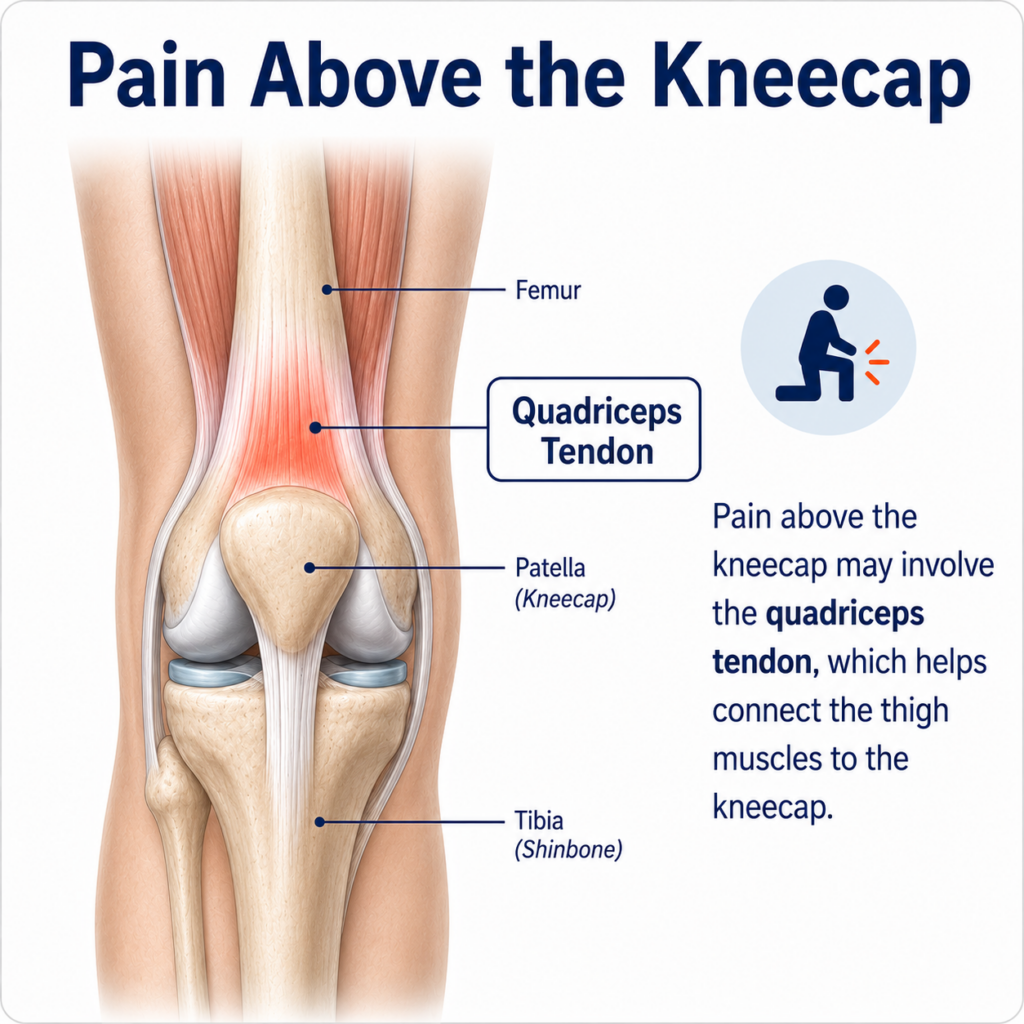
The knee is a complicated joint. It depends on bones, cartilage, ligaments, tendons, muscles, fluid, nerves, and surrounding tissues all working together.

When one part of that system is under stress, the whole joint can feel it.

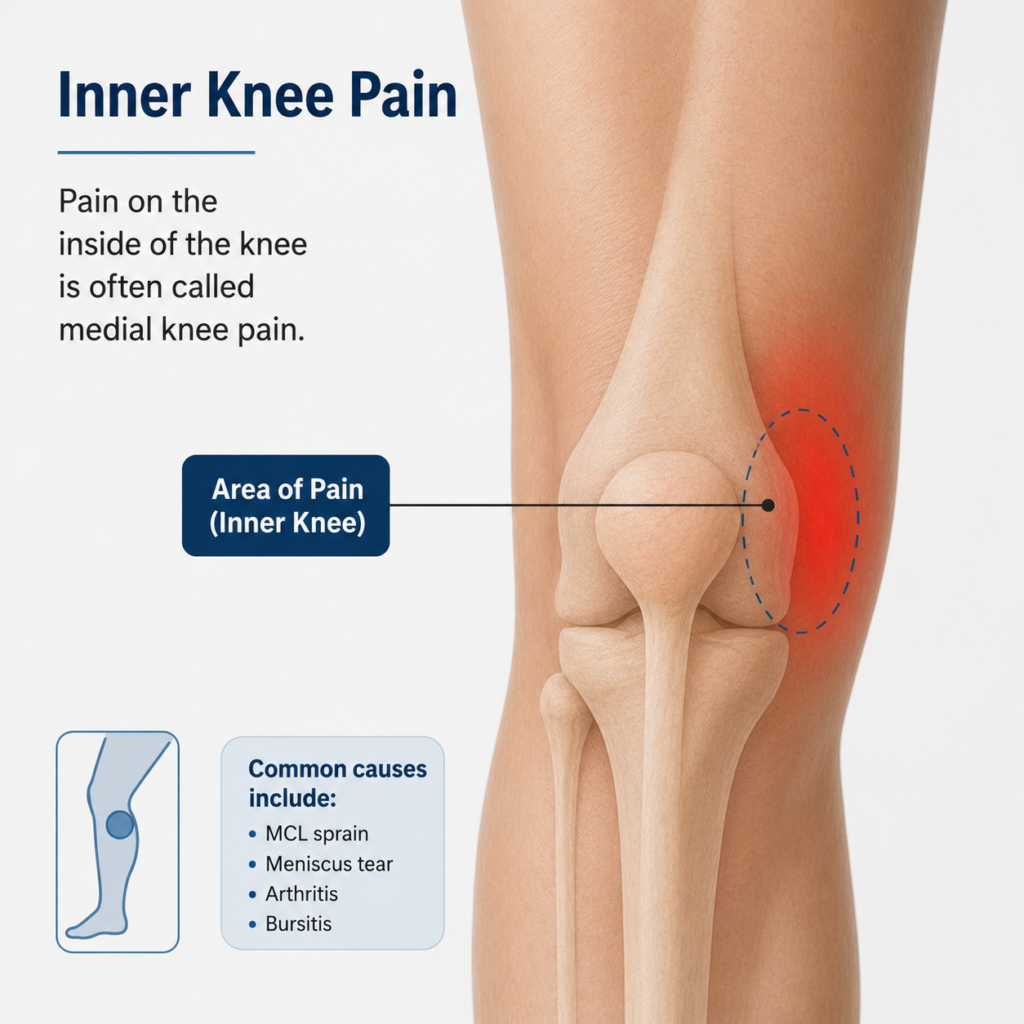
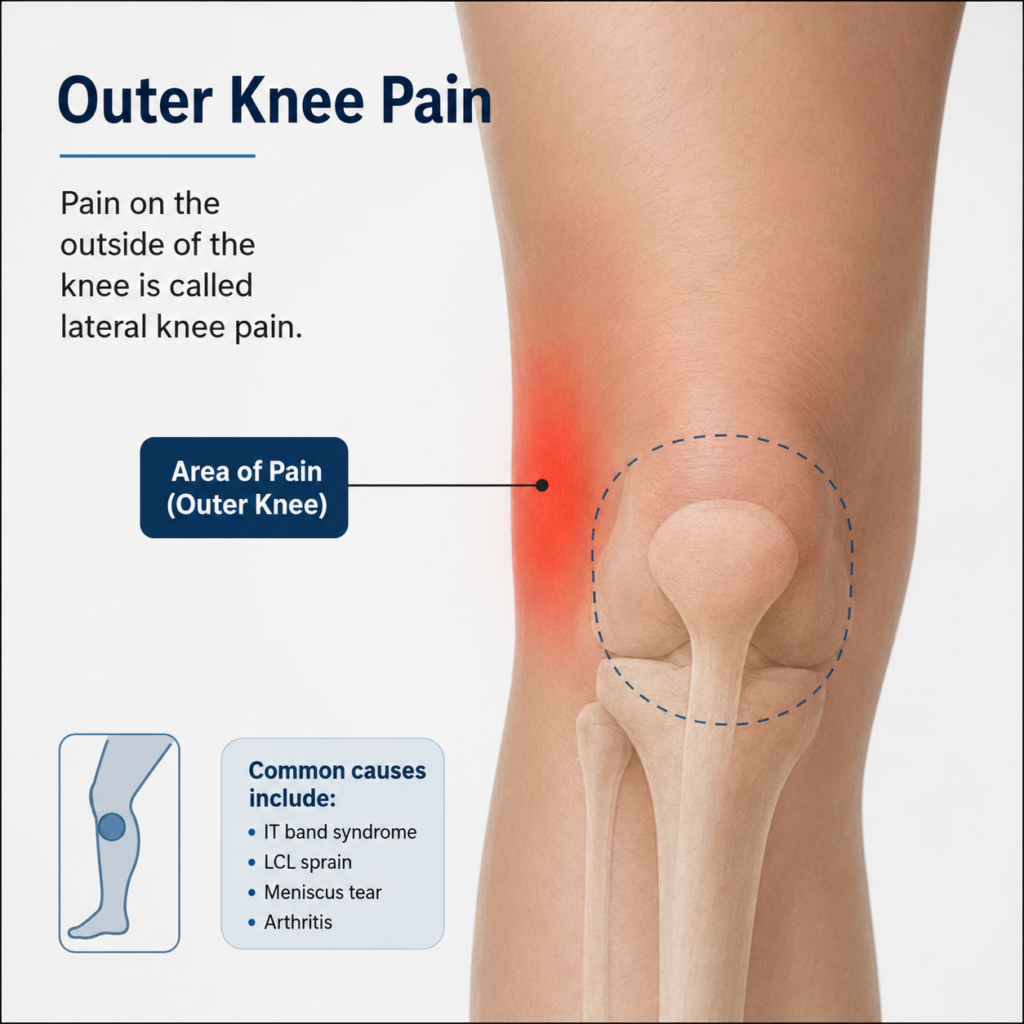
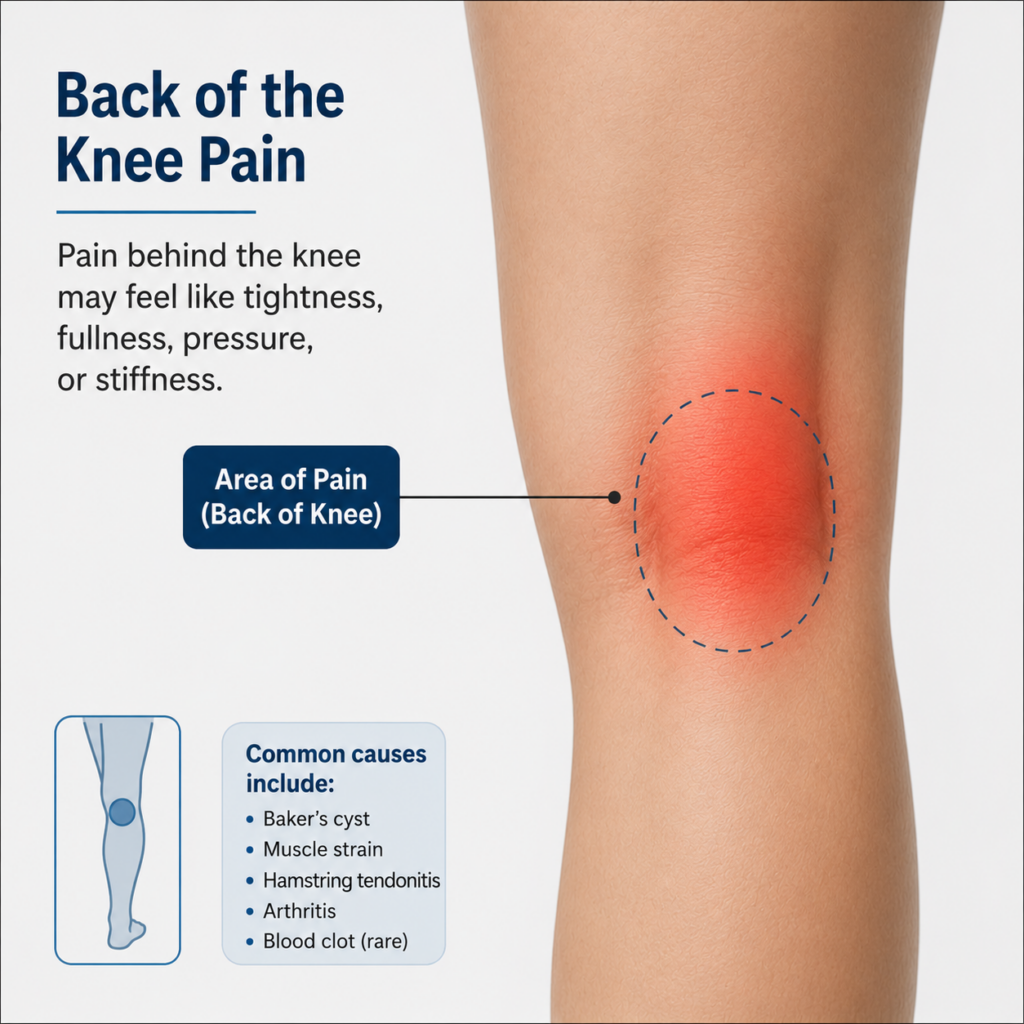
Knee pain may be related to:

  • Arthritis or joint degeneration
  • Cartilage wear
  • Meniscus irritation or tears
  • Ligament injuries
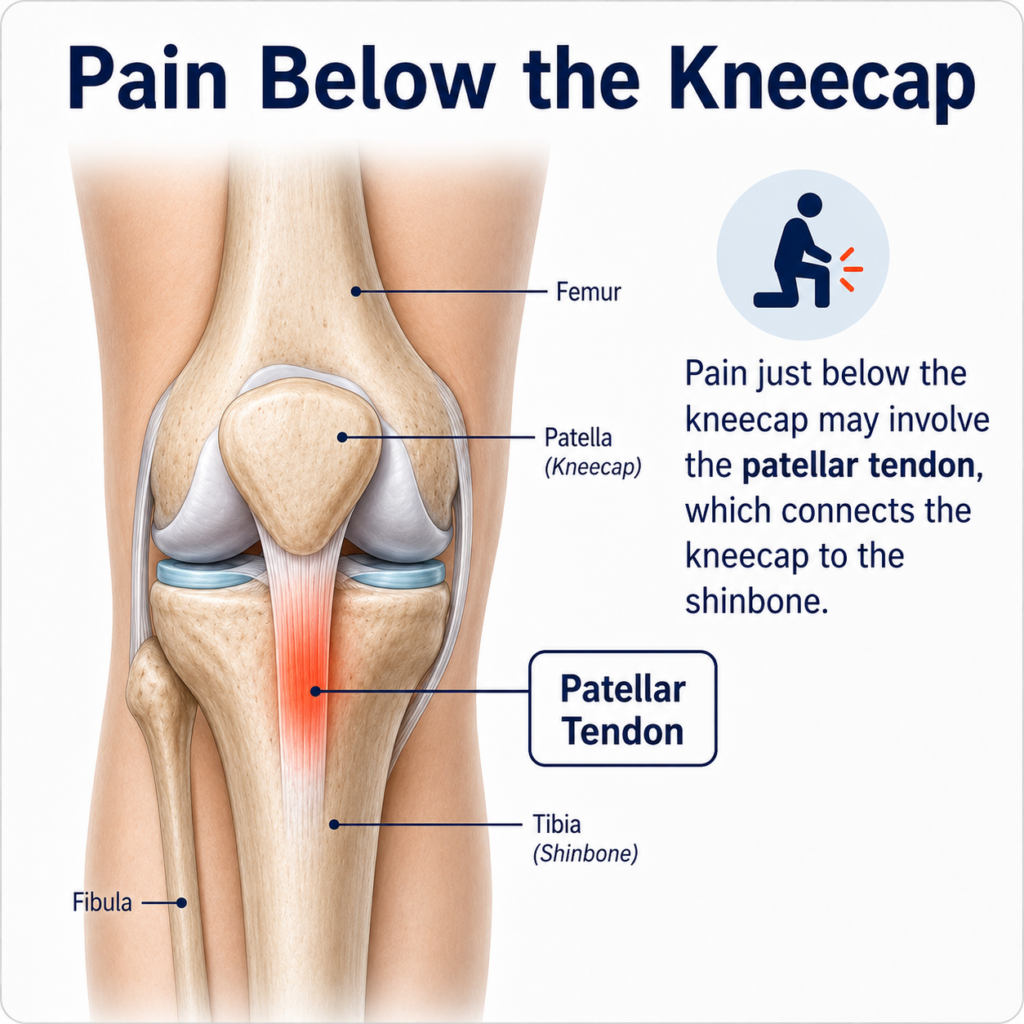
  • Tendon strain
  • Bursitis
  • Muscle weakness
  • Poor movement mechanics
  • Previous injuries
  • Hip, ankle, or foot imbalances
  • Excess joint load
  • Inflammation or metabolic stress

That is why two people can both say, “My knee hurts,” but need very different treatment plans.

One person may have inflammation from overuse. Another may have cartilage changes. Another may have a strength imbalance affecting how the knee tracks. Another may have an old injury that never fully healed.

Pain is a signal. The goal is to understand what the signal is pointing to.

Inflammation Is Only One Piece of the Puzzle

Inflammation is the body’s natural response to irritation, injury, or stress. When the knee becomes inflamed, it may feel swollen, stiff, warm, tender, or painful.

But inflammation often develops for a reason.

If the joint is overloaded, unstable, poorly supported, or repeatedly stressed, inflammation may keep coming back. In that case, only trying to reduce inflammation may not address the underlying problem.

This is why knee pain can become frustrating.

Someone may rest, ice, take anti-inflammatory medication, stretch, or avoid certain movements. They may feel better for a little while. But as soon as they return to normal activity, the pain comes back.

That does not mean they failed.

It may mean the knee needs a more complete evaluation.

Joint Health Is Also About Mechanics

The knee does not work alone. It sits between the hip and ankle, which means the way you walk, stand, squat, climb stairs, run, or exercise can affect how much stress goes through the joint.

If the hips are weak, the knees may absorb more strain.

If the feet or ankles are not moving well, the knees may compensate.

If one side of the body is stronger than the other, the knee may be loaded unevenly.

If the muscles around the knee are not supporting the joint properly, the joint itself may take more stress than it should.

Over time, those movement patterns can contribute to irritation, wear, pain, or reduced function.

That is why knee pain is not just a joint issue. It can also be a movement issue.

Cartilage, Recovery, and Tissue Support Matter

Cartilage helps cushion the joint and allows smooth movement. Tendons and ligaments help stabilize and support the knee. Muscles help absorb force and protect the joint during activity.

When these tissues are irritated, weakened, or not recovering well, pain can become more persistent.

This is especially important for people who are active, aging, recovering from injury, or noticing that their body does not bounce back the way it used to.

Recovery is part of longevity.

The ability to repair, rebuild, and maintain healthy tissue affects how well you move over time. If recovery is poor, inflammation can linger, pain can increase, and movement can become more limited.

That is why a longevity-focused approach to knee pain may include looking at sleep, nutrition, hydration, inflammation, hormone balance, cellular health, body composition, and regenerative support.

The knee is local.

But healing is systemic.

Weight and Metabolic Health Can Affect the Knees

Knee pain is not always just about the knee itself.

Body weight, muscle mass, blood sugar regulation, inflammation, and metabolic health may all influence joint stress and recovery.

For example, extra weight can increase mechanical load on the knees. But metabolism also matters because chronic low-grade inflammation may affect how the body responds to pain, injury, and tissue stress.

This does not mean knee pain is someone’s fault.

It means the body is connected.

A complete plan may need to support both the joint and the internal environment that affects healing, inflammation, and long-term function.

When Knee Pain Needs a Deeper Look

Occasional soreness after activity is common. But ongoing or worsening knee pain should not be ignored.

It may be time to seek a deeper evaluation if you notice:

  • Pain that lasts more than a few weeks
  • Swelling or stiffness
  • Pain that limits walking, stairs, exercise, or daily life
  • A feeling of instability or giving way
  • Pain after a previous injury
  • Reduced range of motion
  • Pain that keeps returning after rest
  • Difficulty staying active because of discomfort

A proper evaluation can help identify whether the issue is inflammatory, structural, mechanical, regenerative, or a combination of several factors.

A More Personalized Approach to Knee Pain

At Vessel Longevity, we believe knee pain should be approached with curiosity, not assumptions.

The goal is not simply to cover up discomfort. The goal is to better understand what is driving the pain and what kind of support may help restore movement, function, and quality of life.

Depending on the individual, care may include a conversation around regenerative medicine, peptide therapy, inflammation support, body composition, IV nutrient therapy, hormone optimization, medical weight loss, or a broader longevity plan.

There is no one-size-fits-all answer.

The right plan depends on your history, symptoms, goals, lifestyle, and what your body needs.

Preserve Movement. Protect Function.

Knee pain can change the way you live.

It can make you move less, exercise less, avoid stairs, stop doing activities you enjoy, or feel less confident in your body.

But pain does not have to be ignored until it becomes a bigger problem.

If your knee pain keeps returning, it may be more than inflammation. It may be your body asking for a deeper look.

At Vessel Longevity, our physician-led team helps patients explore personalized options to support mobility, recovery, and long-term function.

Because longevity is not only about living longer.

It is about moving well, recovering well, and protecting the quality of life you want for the years ahead.

Schedule a consultation with Vessel Longevity in Cedar Park or Lakeway.

Cedar Park: 512-337-7722
Lakeway: 512-489-7997

Regenerative Medicine Near Me: A Guide to Advanced Therapeutics, Peptides, and Recovery Support

If you are searching for regenerative medicine near me, knee pain treatment near me, arthritis knee pain centers, regenerative orthopedics, or regenerative orthopedics and sports medicine, you are likely looking for a way to stay active, reduce discomfort, recover better, and support your long-term health.

Regenerative medicine is not just about one treatment. It is about helping the body function better at the cellular level so patients can support recovery, reduce inflammation, improve energy, and maintain mobility over time.

At Vessel Longevity, regenerative medicine is part of a physician-led longevity model focused on performance, vitality, recovery, and long-term healthspan in Central Texas.

What Is Regenerative Medicine?

Regenerative medicine focuses on supporting the body’s natural repair and recovery systems. In a longevity setting, this may include advanced therapies designed to optimize cellular function, reduce inflammation, improve circulation, support tissue recovery, and promote overall wellness.

Many people search for regenerative medicine because they are dealing with issues such as:

  • Joint discomfort
  • Knee pain
  • Muscle recovery
  • Sports-related wear and tear
  • Inflammation
  • Fatigue
  • Slow recovery
  • Reduced mobility
  • Age-related performance changes
  • Cellular stress
  • Oxidative stress

At Vessel, the goal is not to chase trends or promise overnight results. The goal is to help patients understand their body, identify areas of stress or dysfunction, and create a personalized plan using physician-led care.

Regenerative Orthopedics and Sports Medicine

As an orthopedic surgeon, Dr. Emeka Ofobike, Jr., MD, FAAOS, brings a musculoskeletal perspective to longevity and regenerative care.

Regenerative orthopedics and sports medicine focus on movement, recovery, joint function, and long-term resilience. For patients searching for knee pain treatment near me, arthritis knee pain centers, or regenerative orthopedics, the key is understanding that pain is often connected to more than one factor.

Knee pain and joint discomfort may be influenced by inflammation, previous injury, cartilage wear, tendon irritation, muscle weakness, poor recovery, metabolic health, circulation, and age-related changes in tissue quality.

That is why a physician-led evaluation matters. The right plan may include advanced therapeutics, peptides, recovery therapies, lifestyle changes, metabolic support, or referral for orthopedic evaluation when appropriate.

Advanced Therapeutics at Vessel Longevity

Vessel’s advanced therapeutics are designed to enhance health by supporting cellular function, reducing inflammation, and promoting recovery. These therapies are used to help revitalize the mind and body, support energy and mental clarity, and improve overall wellness.

Advanced therapeutic options at Vessel include:

  • Shockwave Therapy
  • Peptide Therapy
  • Plaquex® Therapy
  • Chelation Therapy
  • Nanoparticle Infusions
  • Niagen Nicotinamide Riboside Infusions
  • BioCharger™ Therapy
  • Hemp-derived products

Each therapy serves a different purpose, and the best choice depends on your goals, health history, symptoms, and provider recommendations.

Shockwave Therapy for Recovery and Musculoskeletal Support

Shockwave Therapy, also called SWT, is a non-invasive therapy often used in regenerative and orthopedic settings to support tissue recovery, circulation, and musculoskeletal function.

For patients dealing with tendon discomfort, soft tissue irritation, sports-related stress, or chronic areas of tightness or pain, shockwave therapy may be considered as part of a recovery-focused plan.

People searching for regenerative orthopedics and sports medicine are often looking for options that go beyond medication or rest alone. Shockwave therapy may help support the body’s natural healing response while fitting into a broader plan focused on mobility, strength, and long-term performance.

Peptide Therapy for Recovery, Inflammation, and Healthy Aging

Peptides are short chains of amino acids that act as signaling molecules in the body. In a longevity and regenerative medicine setting, peptide therapy may be used to support areas such as recovery, inflammation balance, metabolism, sleep, muscle health, tissue repair, immune function, and healthy aging.

Peptide therapy is highly personalized. The right peptide protocol depends on the patient’s goals, medical history, labs, and provider guidance.

For patients searching for regenerative medicine near me, peptides may be especially relevant because they are often used to support the body’s communication and repair systems. Peptides are not magic cures, and they should always be used under medical supervision, but they may be a valuable part of a broader recovery and longevity plan.

Niagen NR Infusions for Cellular Energy

Niagen Nicotinamide Riboside, also known as NR, is a precursor to NAD+, a coenzyme involved in cellular energy, mitochondrial function, and healthy aging pathways.

As people age, cellular energy systems may become less efficient. This can affect energy, recovery, metabolism, and resilience. Niagen NR infusions may be considered for patients interested in cellular energy support and longevity-focused wellness.

For patients focused on well-aging, performance, or cellular repair, Niagen NR may be discussed as part of a physician-led plan.

Nanoparticle Infusions for Cellular Support

Nanoparticle infusions are part of Vessel’s advanced therapeutics menu and are designed to support wellness at the cellular level.

In longevity medicine, cellular health is a major focus because energy, repair, inflammation, recovery, and resilience all begin inside the cell. For patients dealing with fatigue, inflammation, aging-related changes, or slow recovery, cellular support may be an important part of the conversation.

A provider can help determine whether nanoparticle infusions are appropriate based on your goals and health history.

Plaquex® Therapy and Circulation Support

Circulation plays a major role in healing, energy, oxygen delivery, and tissue function. Poor circulation may affect recovery, cardiovascular wellness, brain performance, and musculoskeletal health.

Plaquex® Therapy is one of Vessel’s advanced therapeutic options and may be discussed with patients interested in circulation, cellular membrane support, and long-term wellness.

Because circulation and cardiovascular health are complex, any therapy in this category should be considered through a physician-led consultation.

Chelation Therapy and Detoxification Support

Chelation therapy is designed to bind certain substances in the body so they can be removed. In wellness and longevity settings, patients may ask about chelation when they are interested in detoxification support, environmental exposure, circulation, or overall health optimization.

Chelation therapy is not appropriate for everyone and should only be used under medical supervision. At Vessel, advanced therapies are selected carefully based on the patient’s needs, safety considerations, and provider guidance.

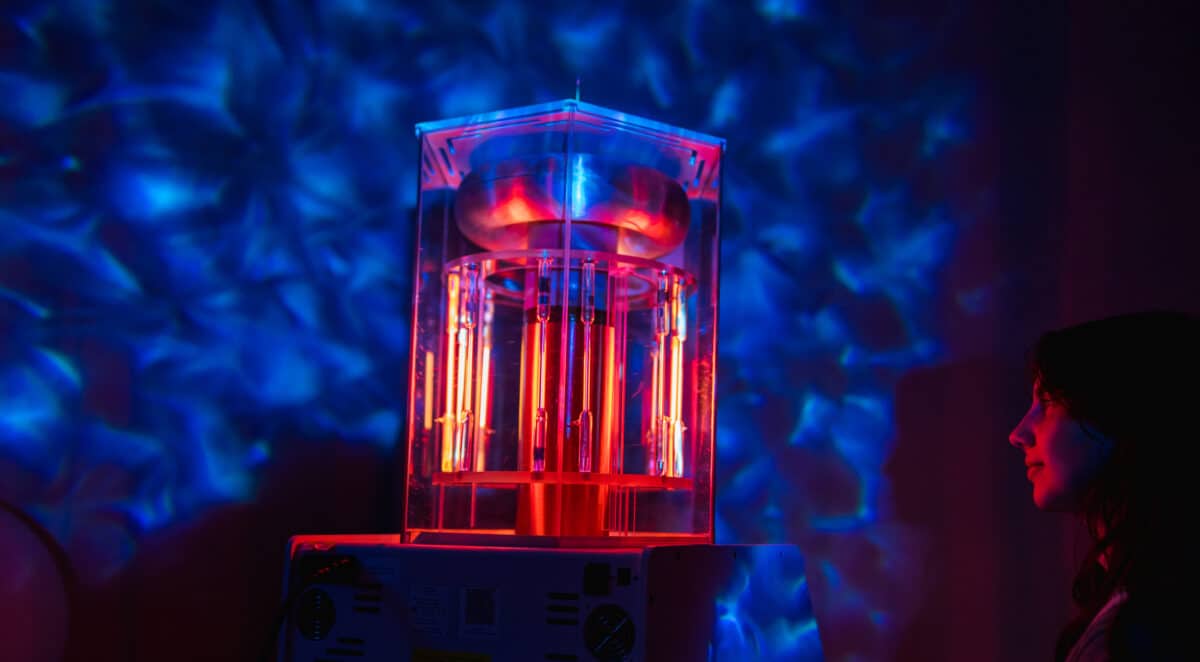
BioCharger™ Therapy for Energy and Wellness

BioCharger™ Therapy is designed to support energy, vitality, relaxation, and overall wellness. For patients who feel depleted, stressed, or low on energy, BioCharger may be considered as part of a broader plan that also looks at sleep, nutrition, hormones, stress, recovery, and cellular health.

In regenerative medicine, recovery is not just physical. Nervous system balance, energy production, and stress resilience all matter.

Hemp-Derived Products for Comfort and Well-Being

Vessel also offers hemp-derived products that may support relaxation, overall well-being, and occasional discomfort.

These products may be considered for patients interested in stress support, relaxation, or general wellness. As with any wellness product, quality, dosing, health history, and provider guidance matter.

What About Stem Cell Treatment, PRP, and Knee Gel Injections?

Many patients searching for regenerative medicine also search for terms like stem cell treatment near me, stem cell treatment for knees, stem cells for knees, PRP injection near me, PRP injections near me, and knee gel injections near me.

These are common search terms because many people are looking for non-surgical options for knee pain, arthritis, and joint degeneration.

However, not every regenerative medicine clinic offers the same therapies. Stem cell therapy, PRP injections, and knee gel injections are different treatment categories and may not be appropriate for every patient. They also require careful evaluation, realistic expectations, and medical oversight.

At Vessel Longevity, the focus is on physician-led longevity and regenerative care, including advanced therapeutics, peptide therapy, cellular support, inflammation support, recovery-focused treatments, and personalized wellness planning. If another orthopedic intervention is needed, Dr. Emeka can help guide the next step based on your diagnosis and goals.

Is Regenerative Medicine Right for You?

Regenerative medicine may be worth exploring if you want support for:

  • Knee pain or joint discomfort
  • Recovery after physical stress
  • Inflammation balance
  • Sports performance and recovery
  • Mobility and long-term function
  • Energy and cellular health
  • Healthy aging
  • Circulation and oxygen delivery
  • Musculoskeletal resilience
  • Overall wellness and vitality

The best plan starts with a consultation. A licensed medical provider can help determine which therapies make sense for your body and which options may not be appropriate.

Regenerative Medicine in Central Texas

If you are searching for regenerative medicine near me, regenerative orthopedics, knee pain treatment near me, arthritis knee pain centers, or regenerative orthopedics and sports medicine in Central Texas, Vessel Longevity can help you explore personalized options.

Vessel Longevity offers physician-led care focused on performance, vitality, mobility, recovery, and long-term healthspan.

Cedar Park Longevity Center
1717 Scottsdale Dr. Suite 120
Cedar Park, TX 78641
Located in The Crossover
512-337-7722

Lakeway Longevity Center
2951 Ranch Rd. 620 S #102
Lakeway, TX 78738
Located in Elevated Wellness
512-489-7997

Book a consultation with Vessel Longevity to explore advanced therapeutics, peptide therapy, regenerative medicine, and personalized recovery support in Greater Austin.

Peptides for Muscle Growth: A Guide for Men and Women

Building muscle is not just about appearance. Muscle plays a major role in strength, metabolism, joint support, balance, energy, glucose control, injury prevention, and healthy aging. That is why more men and women are searching for peptides for muscle growth, peptide therapy for muscle recovery, and peptides for body composition.

At Vessel Longevity, peptide therapy is part of a physician-led approach to performance, vitality, recovery, and long-term healthspan. For the right patient, peptides may help support the body’s natural signaling systems involved in muscle repair, recovery, metabolism, sleep, inflammation balance, and tissue resilience.

Peptides are not steroids. They are not shortcuts. And they are not appropriate for everyone. But when used responsibly under medical supervision, peptide therapy may be one tool in a larger plan to help men and women build strength, recover better, and maintain lean muscle over time.

What Are Peptides?

Peptides are short chains of amino acids. Amino acids are the building blocks of proteins, and proteins are essential for muscle, connective tissue, hormones, enzymes, skin, immune function, and cellular repair.

Some peptides occur naturally in the body and act like messengers. They help signal different biological processes, including growth, repair, inflammation response, hormone release, metabolism, and recovery.

In a medical or longevity setting, peptide therapy may be used to support specific goals such as:

  • Muscle growth support
  • Muscle recovery
  • Tissue repair
  • Fat metabolism
  • Sleep quality
  • Energy
  • Healthy aging
  • Joint and tendon support
  • Body composition
  • Exercise performance and recovery

The right peptide protocol depends on your health history, age, goals, labs, medications, training routine, and provider guidance.

Click here to learn more about our Peptide Therapy.

Can Peptides Help With Muscle Growth?

Peptides may support muscle growth indirectly by helping improve the environment your body needs to build and preserve muscle.

Muscle growth depends on several factors:

  • Progressive strength training
  • Adequate protein intake
  • Recovery between workouts
  • Sleep quality
  • Hormone balance
  • Metabolic health
  • Inflammation balance
  • Cellular energy
  • Consistency over time

Certain peptides may influence pathways related to growth hormone signaling, tissue repair, recovery, or body composition. That does not mean peptides automatically build muscle on their own. They work best when paired with resistance training, adequate nutrition, and a personalized recovery plan.

For most people, peptides should be viewed as supportive therapy, not a replacement for the basics.

Peptides for Muscle Growth in Men

Men often ask about peptide therapy when they notice slower recovery, lower energy, reduced strength, increased belly fat, or difficulty gaining muscle despite working out.

This can happen for many reasons, including age-related hormone changes, poor sleep, stress, overtraining, under-eating protein, alcohol use, inflammation, injury, or metabolic dysfunction.

For men, peptide therapy may be considered as part of a plan to support:

  • Lean muscle development
  • Workout recovery
  • Strength training consistency
  • Fat metabolism
  • Sleep and recovery
  • Joint and tendon resilience
  • Healthy aging and performance

It is also important to look at testosterone, thyroid function, insulin resistance, vitamin D, inflammation markers, and lifestyle habits. In many cases, the best results come from combining peptide therapy with lab-guided hormone and metabolic optimization.

At Vessel Longevity, the focus is not just on getting bigger. The goal is to help men build durable strength, recover better, preserve muscle, and stay active longer.

Peptides for Muscle Growth in Women

Women can also benefit from a muscle-focused longevity strategy. Muscle is especially important for women because it supports metabolism, bone health, balance, hormone health, insulin sensitivity, and long-term independence.

Many women begin noticing changes in strength, muscle tone, recovery, and body composition in their 30s, 40s, and 50s. These changes may become more noticeable during perimenopause and menopause, when estrogen shifts can affect muscle, bone density, sleep, mood, recovery, and fat distribution.

For women, peptide therapy may be considered as part of a plan to support:

  • Lean muscle preservation
  • Strength and tone
  • Workout recovery
  • Bone and connective tissue health
  • Metabolic health
  • Healthy body composition
  • Sleep and stress resilience
  • Recovery during perimenopause and menopause

Peptide therapy for women should be personalized. The goal is not to masculinize the body or create unnatural changes. The goal is to support strength, recovery, healthy aging, and function.

Women may also benefit from evaluating hormones, thyroid function, iron levels, vitamin D, inflammation, insulin sensitivity, protein intake, and strength training habits.

Does Age Matter for Peptide Therapy?

Yes, age matters, but it is not the only factor.

Muscle mass naturally becomes harder to maintain with age. Starting around midlife, many adults experience gradual loss of muscle mass, strength, and power. This process is often called sarcopenia. It can affect metabolism, balance, joint health, injury risk, and independence.

Age-related muscle changes may be influenced by:

  • Lower activity levels
  • Reduced protein intake
  • Hormonal changes
  • Poor sleep
  • Chronic inflammation
  • Insulin resistance
  • Injury or joint pain
  • Reduced recovery capacity
  • Mitochondrial changes
  • Stress and lifestyle factors

For younger adults, peptide therapy may be more focused on performance, recovery, injury support, or body composition.

For adults in their 40s, 50s, 60s, and beyond, peptide therapy may be more focused on preserving muscle, supporting recovery, improving resilience, and maintaining long-term mobility.

However, chronological age is not the whole story. A sedentary 35-year-old with poor sleep and inflammation may have a very different plan than an active 65-year-old with strong habits and good metabolic health.

That is why medical evaluation matters. Your biological age, labs, training history, symptoms, medications, and goals all help determine whether peptide therapy makes sense.

Peptides, Strength Training, and Protein

Peptides work best when the foundation is strong.

If your goal is muscle growth, the most important tools are still resistance training and protein intake. Peptide therapy cannot replace progressive overload, adequate calories, amino acids, sleep, and recovery.

A good muscle-building plan should include:

  • Strength training at least two to four times per week
  • Enough protein to support muscle repair
  • Recovery days
  • Quality sleep
  • Hydration
  • Mobility work
  • Stress management
  • Lab-guided health optimization when needed

Peptides may help support the body’s repair and signaling systems, but the signal to build muscle still comes from training and recovery.

Are Peptides Safe?

Peptide safety depends on the specific peptide, dose, source, patient, and medical supervision.

Some peptides have strong medical uses. Others are still being studied, and many popular wellness peptides do not have large, long-term human trials for muscle growth or anti-aging claims. This is why peptides should not be purchased from unregulated online sources or self-injected without medical guidance.

Potential risks may include injection site reactions, fluid retention, changes in blood sugar, hormone-related side effects, headaches, fatigue, or unwanted interactions with medical conditions or medications.

Peptide therapy should be prescribed and monitored by a licensed medical provider. At Vessel Longevity, peptide therapy is approached through physician-led care, patient education, and personalized treatment planning.

Who May Be a Good Candidate?

You may be a candidate for peptide therapy if you are interested in supporting:

  • Muscle growth
  • Lean muscle preservation
  • Workout recovery
  • Body composition
  • Injury recovery support
  • Joint and tendon resilience
  • Healthy aging
  • Metabolic health
  • Sleep and recovery
  • Performance and vitality

You may not be a good candidate if you have certain medical conditions, are pregnant or breastfeeding, have active cancer, have unmanaged endocrine issues, or are taking medications that may interact with treatment. A consultation is the best way to determine whether peptide therapy is appropriate.

Peptides for Muscle Growth in Central Texas

If you are searching for peptides for muscle growth, peptide therapy near me, peptides for recovery, or peptides for body composition in Central Texas, Vessel Longevity can help you explore your options safely.

Led by Dr. Emeka Ofobike, Jr., MD, FAAOS, Vessel Longevity offers physician-led care focused on performance, recovery, vitality, mobility, and long-term healthspan.

Cedar Park Longevity Center
1717 Scottsdale Dr. Suite 120
Cedar Park, TX 78641
Located in The Crossover
512-337-7722

Lakeway Longevity Center
2951 Ranch Rd. 620 S #102
Lakeway, TX 78738
Located in Elevated Wellness
512-489-7997

Book a consultation with Vessel Longevity to learn whether peptide therapy may be a good fit for your muscle growth, recovery, and healthy aging goals.